
Key takeaways
- Vanuatu runs a small, open economy that leans on agriculture, tourism and services.
- Subsistence farming and fishing remain central to everyday life across the islands.
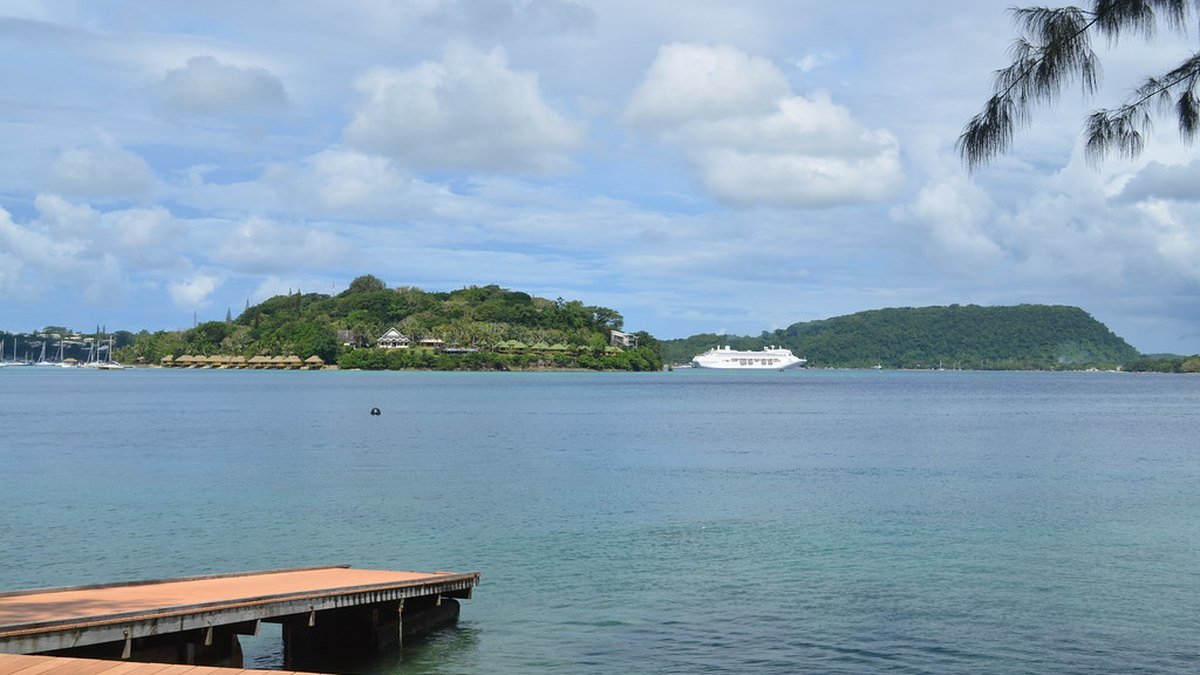
- Tourism is a leading source of foreign exchange, concentrated around Port Vila and nearby islands.
- Remoteness, a dispersed population and natural hazards constrain large-scale industry.
- Diversification and resilience are recurring themes in the nation’s development planning.
Vanuatu’s economy is a small, open and largely rural one, shaped by the realities of life across a scattered Melanesian archipelago in the South Pacific. Most families still draw a large share of their food and income directly from the land and sea, while cash earnings flow mainly from agriculture, tourism and a cluster of service industries centred on the capital, Port Vila.
Understanding the Vanuatu economy means looking beyond headline output. Distance from major markets, a modest population spread over many islands, and heavy exposure to natural hazards all leave a deep imprint on how the country produces, trades and plans for the future.
A small, open island economy
Vanuatu sits among the Pacific’s small island developing states, and its economy reflects that status. The domestic market is modest, so trade, external investment and visitor spending matter a great deal relative to local production. At the same time, a substantial part of economic life never passes through a cash register at all: households grow staple crops, keep livestock and fish coastal waters for their own use. This blend of a formal, money-based sector and a large informal, subsistence one is characteristic of the region.
Economic activity is concentrated on a handful of larger islands, with Port Vila on Efate acting as the commercial and administrative hub. Beyond the main centres, livelihoods are overwhelmingly rural, and access to services, transport and markets varies widely from island to island.
Agriculture and the rural backbone
Agriculture underpins both daily survival and export earnings. Tree crops suited to the tropical climate dominate, and smallholders rather than large estates do much of the work. Alongside food grown for the table, cash crops are processed and shipped abroad, linking remote villages to international commodity markets whose prices they cannot control.
Because so many people rely on farming, swings in crop prices or a single destructive storm can ripple quickly through household budgets. That sensitivity is one reason agricultural resilience features so prominently in national strategy.
Tourism as a foreign-exchange engine
Tourism is among the most important earners of foreign currency. Visitors are drawn by beaches, diving, volcanoes and a strong living culture, and their spending supports hotels, tour operators, transport, handicrafts and hospitality jobs. Cruise calls and air arrivals both feed the sector, though the balance between them shifts over time.
The upside of tourism is that it channels outside money into local pockets relatively directly. The downside is volatility: the industry is exposed to weather events, global travel conditions and the health of source markets, which means tourism income can rise and fall sharply from one period to the next.
Services and offshore finance
Services make up a large share of measured economic output, spanning government, retail, transport, communications and finance. Vanuatu has long hosted an offshore financial and company-registration sector, offering corporate and related services to non-resident clients. This niche has brought fee income and professional employment, while also drawing ongoing international attention to standards of transparency and regulation, prompting periodic reform.
Related revenue streams include fees and licences tied to the country’s sovereign rights, such as fishing access and registry services, which supplement the public purse without requiring large domestic industries.
The challenge of distance and scale
Geography is destiny for a dispersed archipelago. Moving goods and people between islands is costly, and shipping to distant export markets adds a freight premium to everything the country sells. A small population limits economies of scale, so manufacturing tends to serve local needs rather than compete internationally. These structural features help explain why Vanuatu imports a wide range of manufactured goods and fuel while exporting a narrower set of primary products.
They also explain the country’s close economic ties to larger neighbours and partners. Trade, aid, investment and labour mobility schemes connect Vanuatu to the broader region, part of the wider story of why the Asia-Pacific drives global growth.
Vulnerability to shocks
Few economies are as exposed to natural hazards as Vanuatu’s. Tropical cyclones, earthquakes, volcanic activity and drought can damage crops, infrastructure and tourism in a single season. Because the productive base is narrow, a severe event can set back growth and strain public finances, with recovery absorbing resources that might otherwise fund development.
This exposure makes disaster preparedness and rebuilding capacity an economic issue as much as a humanitarian one, and it shapes how the government and its partners approach budgeting and investment.
A long game of diversification
The recurring theme in Vanuatu’s economic planning is resilience through diversification. Spreading income across farming, fishing, tourism and services reduces reliance on any single stream, while investment in transport, energy and communications aims to connect outer islands to opportunity. Education, skills and labour mobility are seen as ways to raise incomes without straining the fragile local environment.
None of this removes the fundamental constraints of being small and remote. But the direction of travel is clear: a measured effort to build an economy that can absorb shocks, make the most of natural and cultural assets, and share the gains more evenly across the islands.
Frequently asked questions
What are the main sectors of Vanuatu’s economy?
The economy rests mainly on agriculture, tourism and services, including an offshore financial sector. Subsistence farming and fishing also remain central to everyday life for many households across the islands.
Why is Vanuatu’s economy considered vulnerable?
A narrow productive base, a dispersed population and remoteness from markets leave the country highly exposed to shocks such as cyclones, earthquakes and shifts in global commodity prices and travel demand.
What does Vanuatu export and import?
It tends to export a small range of primary agricultural products while importing a broad mix of manufactured goods and fuel, reflecting its small scale and distance from major industrial suppliers.
How important is tourism to Vanuatu?
Tourism is one of the leading sources of foreign exchange and supports many hospitality and transport jobs, though earnings can be volatile because the sector is sensitive to weather and global travel conditions.