
Key takeaways
- Thailand is among Southeast Asia’s largest vehicle producers and a major auto exporter.
- Pickup trucks are a signature product of the Thai industry.
- A deep network of local parts suppliers underpins the sector.
- Government incentives and location helped attract global carmakers.
- The transition to electric vehicles is the industry’s central challenge.
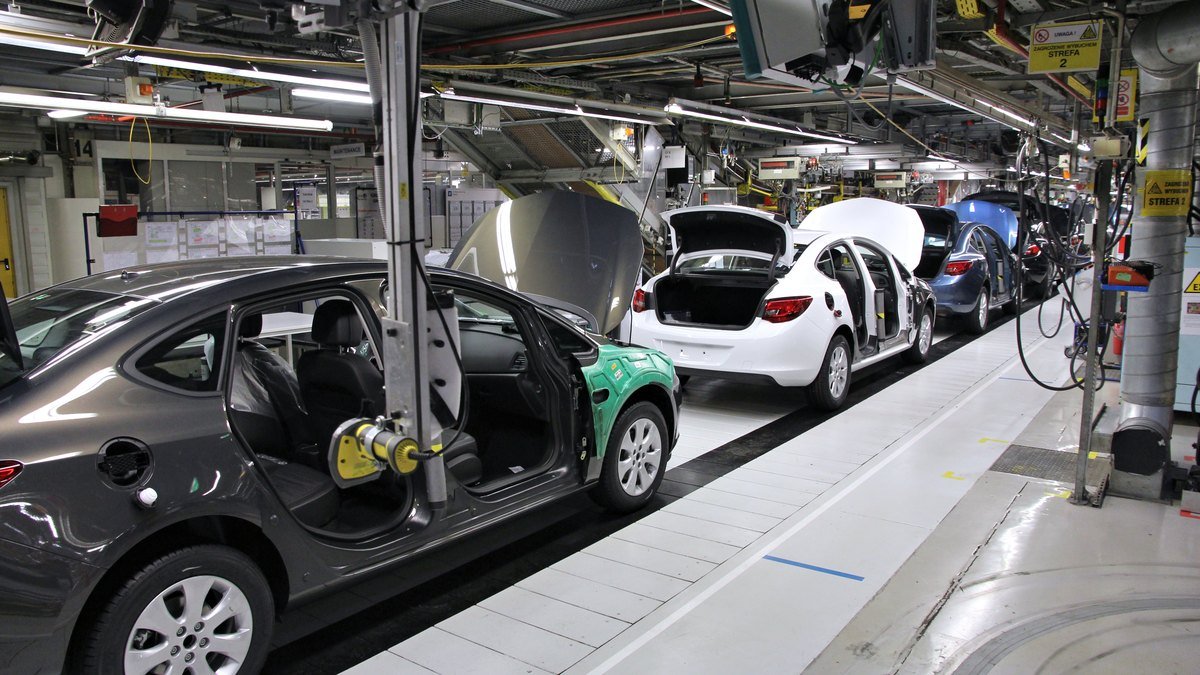
Thailand automotive manufacturing has turned the country into one of Asia’s most important places to build cars, pickup trucks and the thousands of components that go into them. For decades, global carmakers have chosen it as a regional production base, earning it a lasting nickname as the “Detroit of Asia”.
This explainer describes how that hub came together, what it makes, why so many manufacturers located there, and how the industry is adapting as the world shifts toward electric vehicles.
How Thailand became a car-making hub
Thailand’s rise as a vehicle producer was not accidental. Over several decades, policymakers encouraged carmakers first to assemble vehicles locally and then to source more and more parts from within the country. That gradual deepening of local content pulled component makers in alongside the big assembly plants, creating a self-reinforcing cluster.
A central location in mainland Southeast Asia, sea ports suited to exporting finished vehicles, and a workforce experienced in precision manufacturing added to the appeal. Once a critical mass of suppliers and skilled labour existed, each new investment made the next one easier, which is how the hub grew into one of the region’s largest.
What the industry produces
The Thai sector is known above all for pickup trucks, a category in which the country is a globally significant producer. Alongside these are passenger cars, commercial vehicles, motorcycles and an enormous range of parts, from engines and transmissions to electronics, tyres and interior components.
Production serves two markets at once. A sizeable share of vehicles is sold domestically, while a large volume is exported to buyers across Asia, the Middle East, Australia and beyond. This dual role as both a market and an export base is a defining feature of the industry.
The supplier network behind the badge
Behind every finished car sits a pyramid of suppliers. At the top are the assembly plants operated by major carmakers. Below them are tier-one suppliers producing major systems, and beneath those, many smaller firms making individual parts and materials.
Thailand’s strength lies in the depth of this network. A dense local supply base lowers costs, shortens delivery times and makes the country resilient, because manufacturers can source much of what they need close to the assembly line. It also means the industry supports far more jobs than the headline assembly plants alone would suggest.
Why global carmakers located there
Several factors combine to explain the concentration of investment:
- Policy support: long-running incentives and clear rules encouraging local production and investment.
- The supplier cluster: a ready-made ecosystem of parts makers that new entrants can tap immediately.
- Skilled labour: a workforce with established manufacturing experience.
- Logistics: ports and transport links that make exporting straightforward.
- Regional access: a base from which to serve the wider Southeast Asian market.
Together these lowered the risk and cost of building vehicles in Thailand compared with many alternatives, which is why the country attracted carmakers from several continents.
The shift to electric vehicles
The defining change now facing the industry is the global move toward electric vehicles. This is both an opportunity and a threat. Electric cars use far fewer moving parts than those with internal combustion engines, which could reduce demand for some traditional components made locally. At the same time, batteries, electric motors and charging equipment open entirely new areas of production.
Thailand has set out to remain relevant by encouraging investment in electric-vehicle assembly and in the supply chains that support it. The regional race to build battery capacity is a key part of this story, which we explore further in our piece on the Southeast Asia EV battery boom.
Risks and competition
No manufacturing hub is permanent. Thailand faces competition from other countries keen to attract the same investment, and the parts of its supplier base tied to older engine technology must adapt or risk decline. Global demand for vehicles rises and falls with the economy, and supply-chain disruptions can halt production lines that depend on just-in-time deliveries.
The industry’s response has centred on moving up the value chain, retraining workers for new technologies and positioning the country as a base for electric as well as conventional vehicles. How successfully it manages the transition will shape whether it keeps its standing in the decades ahead.
Why the hub still matters
Despite these pressures, the fundamentals that built the industry remain in place: a deep supplier network, experienced workers, strong logistics and a central regional location. These are hard for rivals to replicate quickly, and they continue to make Thailand an attractive place to build vehicles. A cluster of this depth is the product of decades of investment, and such accumulated know-how does not move elsewhere easily or cheaply.
The ripple effects reach well beyond the factory gate. Dealers, repair shops, logistics firms, finance providers and parts retailers all depend on the vehicles that roll off the lines, which is why the industry’s health is watched so closely as a barometer of the wider manufacturing economy.
For now, the country sits at a crossroads familiar to every major car-making nation, balancing a proud legacy in conventional vehicles with the need to compete in an electric future. The hub’s ability to reinvent itself, rather than its past output, will define its next chapter.
Frequently asked questions
Why is Thailand called the “Detroit of Asia”?
The nickname reflects its status as one of Asia’s leading centres for building cars and, especially, pickup trucks, hosting many global carmakers and a deep network of parts suppliers.
What vehicles is Thailand best known for making?
The industry is particularly known for pickup trucks, alongside passenger cars, commercial vehicles, motorcycles and a wide range of automotive components.
How might electric vehicles affect Thai manufacturing?
Electric vehicles use fewer moving parts, which could reduce demand for some traditional components, but they also create new production in batteries, motors and charging equipment that the industry is working to capture.
Why did global carmakers choose Thailand?
A combination of supportive policy, a ready supplier cluster, skilled labour, strong export logistics and a central regional location made it a low-risk, cost-effective place to build vehicles.