
Key takeaways
- Thailand is one of the world’s leading rice exporters.
- Its warm, wet climate supports a wide range of crops and tropical fruit.
- Farming remains a major source of rural employment.
- Processed foods and seafood are important export categories.
- Water, climate and labour pressures are reshaping the sector.
Thailand agriculture is far more than a rural tradition; it is a cornerstone of national life and a major force in global food trade. The country is one of the world’s best-known exporters of rice and a significant supplier of sugar, rubber, seafood, processed foods and tropical fruit.
This explainer looks at what Thai farms produce, how the sector is organised, why the country became a food-export powerhouse, and the pressures reshaping farming today.
A country shaped by farming
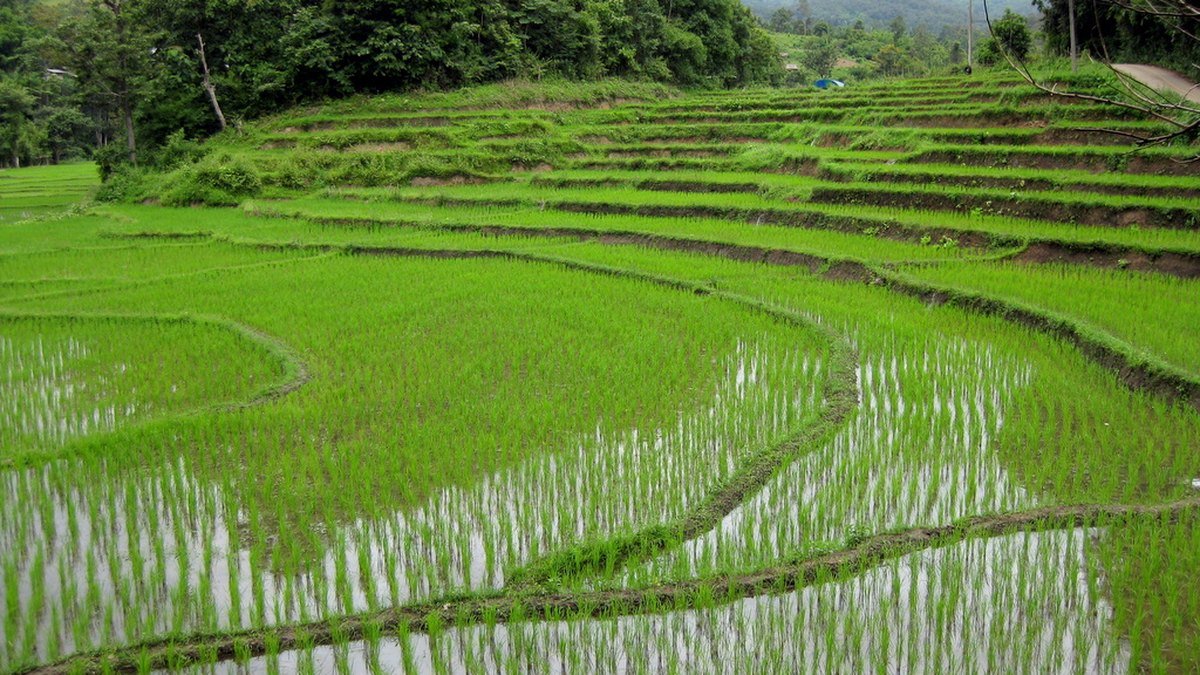
Agriculture has shaped Thailand’s landscape, culture and economy for centuries. The central plains, watered by major rivers, form a vast rice bowl, while the north has terraced fields and highland crops, the north-east grows hardy staples on drier land, and the south specialises in rubber and plantation crops. This geographic spread allows the country to produce a remarkable variety of foods.
Although its share of the overall economy has fallen as industry and services have grown, farming still employs a large portion of the workforce, particularly in the countryside. For many households it remains both a livelihood and a way of life handed down through generations.
What Thailand grows and exports
Rice is the signature crop and the one most associated with the country abroad, including prized fragrant varieties. But the export basket is broad:
- Rice: a staple at home and one of the country’s most famous exports.
- Sugar: produced from cane and sold widely across the region.
- Natural rubber: a major plantation product, especially in the south.
- Cassava: grown for starch and animal feed markets.
- Tropical fruit: including durian, mango, pineapple and others sold fresh and processed.
- Seafood and processed foods: canned, frozen and ready-to-eat products shipped worldwide.
This diversity means the country is not dependent on any single commodity, which helps cushion it when prices for one product fall.
Why Thailand became a food-export power
Several natural and historical advantages underpin the sector. A tropical climate with reliable monsoon rains and fertile river plains creates ideal conditions for rice and many other crops. Generations of farming knowledge, combined with investment in irrigation and, later, in food processing, allowed the country to move from simply growing food to exporting it in large volumes.
A well-developed processing industry is central to this success. Rather than exporting only raw commodities, Thailand ships huge quantities of canned, frozen and packaged foods, capturing more value and building globally recognised food brands. Its cuisine’s international popularity has also helped open doors for its ingredients abroad.
How the sector is organised
Thai agriculture is dominated by smallholders, families working modest plots of land, alongside larger commercial operations and agribusiness firms that handle processing, trading and export. Cooperatives, millers and trading companies link farmers to domestic and international buyers.
This structure spreads income widely but also leaves many small farmers exposed to price swings and the cost of inputs such as seed, fertiliser and fuel. Government policy has long played a role through support schemes and efforts to stabilise farmer incomes, reflecting how politically sensitive farming remains.
Pressures reshaping Thai farming
The sector faces a set of long-term challenges that are gradually changing how it works:
- Water and climate: farming is highly dependent on rainfall and irrigation, leaving it exposed to drought, flooding and shifting weather patterns.
- An ageing rural workforce: as younger people move to cities, fewer are left to work the land.
- Global competition: other exporting nations compete hard on price and quality.
- Environmental concerns: pressure to reduce chemical use, protect soil and cut the burning of crop residues.
These forces are pushing the industry to modernise, mechanise and, in places, shift toward higher-value or more sustainable products.
Modernisation and the future
The broad response has been to raise productivity and add value rather than simply grow more. That includes better irrigation, improved crop varieties, mechanisation to offset labour shortages, and a growing interest in organic and premium produce that can command higher prices. Technology, from weather data to farm management tools, is slowly reaching even smaller producers.
Food exports also connect Thai agriculture to wider regional trade arrangements, including efforts to settle cross-border commerce more efficiently, a theme covered in our explainer on ASEAN local-currency settlement. Smoother trade helps farm exporters reach markets with lower friction.
Why agriculture still matters
Even as factories and digital services expand, agriculture remains woven into Thailand’s identity and economy. It feeds the population, sustains rural communities, supplies a large food-processing industry and keeps the country among the world’s notable food exporters.
The challenges of water, climate and labour are real, but so are the enduring advantages of fertile land, a favourable climate and deep farming expertise. Managing that balance, protecting the resource base while modernising production, is the quiet, continuing task that will determine the sector’s future.
There is also a cultural dimension that numbers cannot capture. Markets brimming with fresh produce, the rituals of planting and harvest, and the dishes that have travelled the world from Thai kitchens all trace back to the land. In that sense, agriculture is not only an economic sector but part of the national story, which is one reason its fortunes command such widespread attention.
Frequently asked questions
What is Thailand’s most important agricultural export?
Rice is the signature crop and one of the country’s best-known exports, though sugar, rubber, cassava, tropical fruit, seafood and processed foods are also significant.
Why is Thailand good for farming?
A tropical climate with reliable monsoon rains, fertile river plains and generations of farming knowledge, combined with a strong food-processing industry, make it well suited to producing and exporting food.
Who does the farming in Thailand?
The sector is dominated by smallholder families working modest plots, alongside larger commercial farms and agribusiness firms that handle processing, trading and export.
What challenges does Thai agriculture face?
Key pressures include dependence on water and a changing climate, an ageing rural workforce, strong global competition and growing demands to farm more sustainably.