
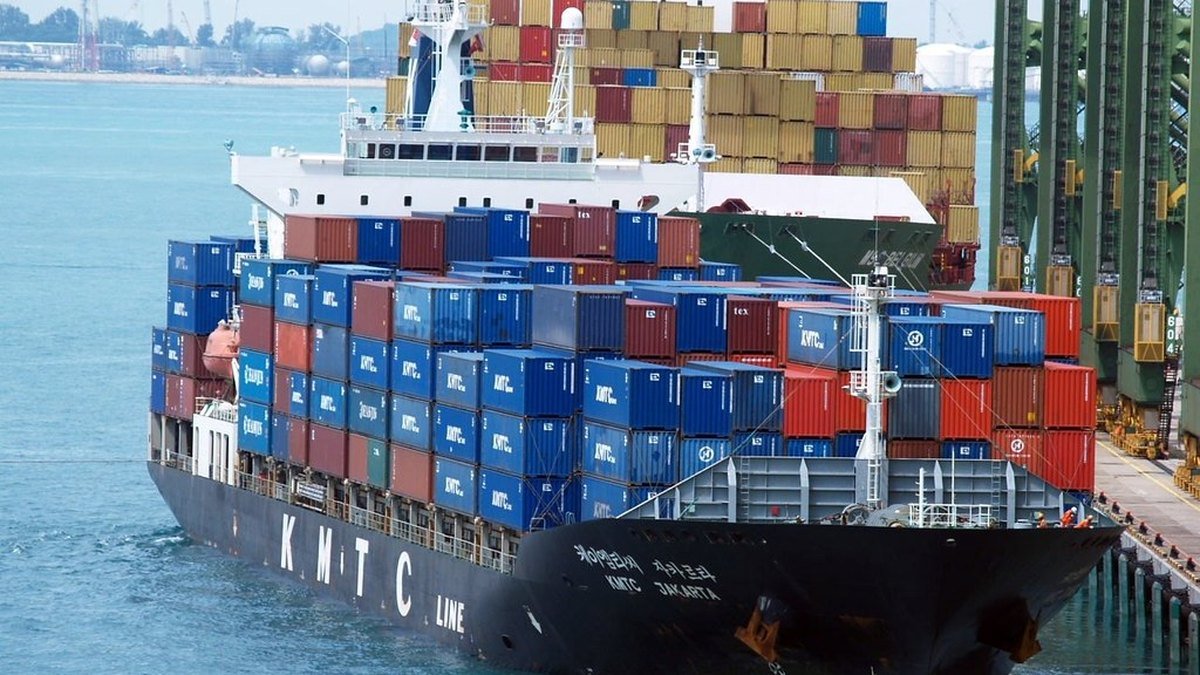
Key takeaways
- Singapore’s port sits on a key route between the Indian and Pacific Oceans.
- Much of its traffic is transshipment: cargo that changes ships rather than entering the country.
- Deep water, efficiency and connectivity keep it among the world’s busiest ports.
- Trade and logistics support finance, manufacturing and services across the economy.
- Automation and sustainability are reshaping how the port operates.
Singapore’s port is the foundation on which the modern city-state was built, and trade remains central to its prosperity. Positioned along one of the world’s busiest maritime corridors, the island grew from a regional harbour into one of the largest container and transshipment ports on the planet.
Understanding Singapore means understanding its relationship with the sea. The port shaped the economy, drew in merchants and financiers, and gave the country a role in global commerce far larger than its small size would suggest.
A harbour at the crossroads of the sea
Singapore owes much of its fortune to geography. The island lies beside the Strait of Malacca, a narrow stretch of water that links the Indian Ocean to the South China Sea and, beyond it, the Pacific. A vast share of global trade passes through this corridor, and ships moving between Europe, the Middle East, South Asia and East Asia naturally pass close by.
That position made the island a logical place to stop, refuel, trade and transfer goods. Merchants settled, warehouses rose along the waterfront, and the harbour became a meeting point for cargoes and currencies from many nations.
Crucially, the port was run as an open one, welcoming ships regardless of where they came from or where they were bound. That openness attracted a steady flow of vessels and encouraged traders to make the island a regular stop. The habit of calling at Singapore, once established, reinforced itself as more services clustered around the harbour.
What makes the port so busy
Several practical advantages keep Singapore among the world’s leading ports. Its waters are naturally deep, allowing the largest modern vessels to berth. Its handling is highly efficient, so ships spend less time in port and more time earning at sea. And its connectivity is exceptional: a single call can connect a shipping line to hundreds of other ports worldwide.
- Deep, sheltered water accommodates the biggest container ships.
- Fast turnaround reduces the time and cost of each port call.
- Dense shipping networks link Singapore to ports across every continent.
- Reliability gives shipping lines confidence to route cargo through the hub.
The quiet power of transshipment
A great deal of the cargo passing through Singapore never actually enters the country. Instead it is unloaded from one ship and reloaded onto another bound for a different destination. This practice, known as transshipment, is central to the port’s identity.
Transshipment works because of scale. Large vessels carry cargo across oceans to a central hub, where it is sorted and redistributed on smaller ships to regional ports. Singapore’s efficiency and connections make it an ideal place for this sorting to happen, which is why it handles enormous volumes relative to the size of its own economy.
Being a transshipment hub is a competitive business. Shipping lines can choose among several ports in the region, and they weigh costs, reliability and the breadth of onward connections at each. Singapore has worked hard to stay ahead on all three, because losing hub status would ripple through the many industries that depend on the harbour’s traffic.
From entrepot trade to a diversified economy
Historically the island thrived on entrepot trade, importing goods and re-exporting them with value added through storage, financing and handling. That model seeded expertise in insurance, banking and commercial law that later grew into a broader services economy.
As the country developed, it layered manufacturing and advanced services on top of trade. Yet logistics remained the connective tissue, tying together ports, airports, factories and financial markets into a single well-oiled system. Trade still accounts for a large share of economic activity, which is why global shipping conditions matter so much here.
Logistics as a national strength
Singapore turned moving things into a core competency. Beyond the sea port, the country built one of Asia’s busiest cargo airports and a sophisticated network of warehouses, free-trade zones and customs systems designed to keep goods flowing with minimal friction.
This logistics prowess feeds the wider economy. Efficient supply chains support manufacturing, attract regional headquarters of global firms, and reinforce the financial services that fund and insure trade. The port, in other words, is not an isolated asset but the hub of an integrated system.
Technology, automation and the green transition
The way the port operates is changing. Newer terminals rely heavily on automation, with remotely operated cranes and driverless vehicles moving containers with precision and consistency. Data systems coordinate arrivals, berths and departures to squeeze more capacity from the same space.
Sustainability is the other major theme. Shipping is a significant source of emissions, and ports around the world, Singapore among them, are exploring cleaner fuels, shore power and more efficient operations. These shifts are gradual and uncertain in pace, but the direction of travel is clear.
Why the port still matters
The port explains much about how Singapore sees itself: open, connected and dependent on the smooth flow of global commerce. When trade grows, the hub tends to prosper; when it stalls, the effects are felt quickly. The economy’s health is closely tied to the wider region, as our look at why Asia-Pacific drives global growth explains. For a small island with limited land and no natural resources, the harbour remains what it has always been: the gateway through which prosperity arrives.
Frequently asked questions
Why is Singapore’s port so important?
It sits beside the Strait of Malacca, one of the world’s busiest shipping corridors, and combines deep water, high efficiency and dense global connections, making it a leading container and transshipment hub.
What is transshipment?
Transshipment is when cargo is transferred from one ship to another at a hub port rather than entering the local market. Much of Singapore’s traffic is transshipment cargo bound for other destinations.
How does trade affect Singapore’s economy?
Trade and logistics underpin finance, manufacturing and services. Because the economy is highly open, global shipping and trade conditions have an outsized influence on its performance.
How is the port changing?
Newer terminals use heavy automation, while the industry is gradually exploring cleaner fuels and more efficient operations to reduce the environmental impact of shipping.