
Key takeaways
- A safe-haven asset is one investors turn to when they want to protect value in uncertain times.
- Gold is the classic example, prized for scarcity, durability and long history as money.
- Other havens include certain government bonds and widely trusted currencies.
- In much of Asia gold is both an investment and a cultural store of wealth.
- Safe havens are about protecting capital, not chasing high returns.
Gold and other safe-haven assets hold a special place in Asian markets. Across much of the region gold is woven into culture, savings and celebration, as well as being a financial instrument, which gives it a role that is both deeply traditional and thoroughly modern.
This explainer looks at what a safe-haven asset is, why gold has earned that status, the other assets that behave similarly, and the particular reasons demand runs strong across Asia. It describes patterns in general terms rather than forecasting prices.
What a safe-haven asset is
A safe-haven asset is one that investors expect to hold or increase its value when other investments are falling. The idea is protection rather than profit: in times of fear, uncertainty or market turmoil, money tends to flow toward assets seen as dependable stores of value. These assets are not immune to price swings, but they are trusted to preserve wealth over the long run better than riskier holdings.
The appeal rests on a few qualities. A good safe haven is usually scarce, hard to manipulate, widely accepted and not tied too closely to the fortunes of any single company or economy. When trouble strikes, these are the traits investors reach for.
Why gold leads the list
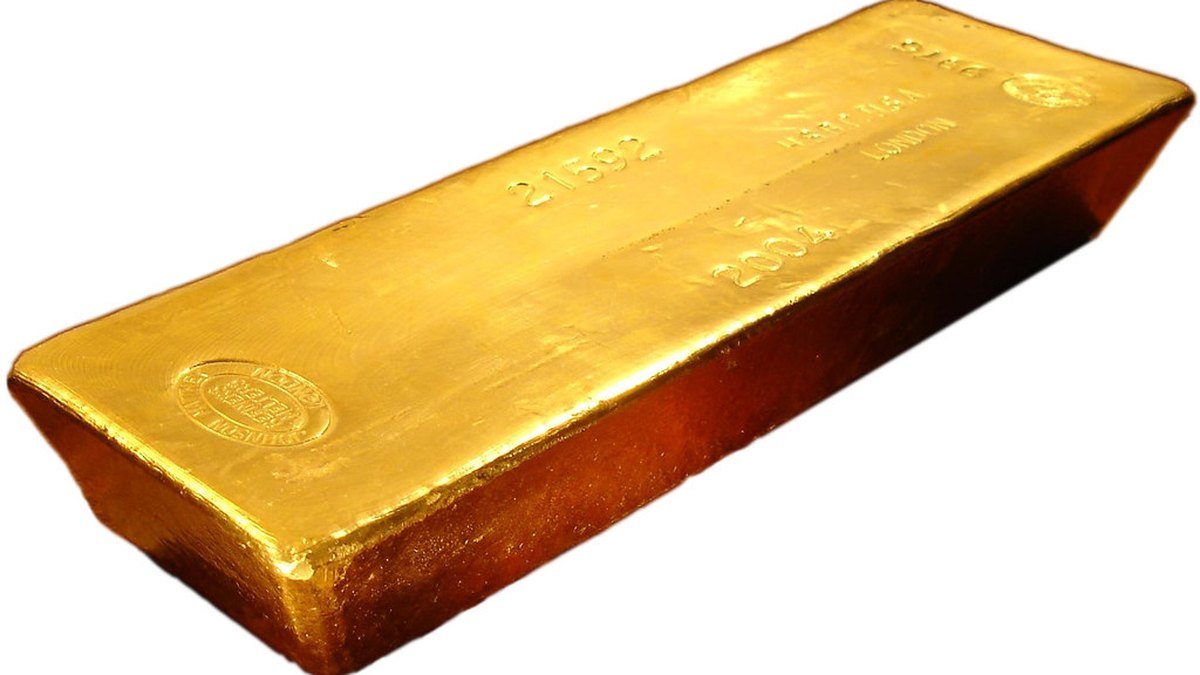
Gold is the oldest and most famous safe-haven asset, and for understandable reasons. It is naturally scarce, does not corrode or decay, and cannot be created at will the way paper money can. For thousands of years, across many cultures, it has served as a store of value and a form of money. That long history gives it a kind of trust that is hard for newer assets to match.
Several features explain its enduring role:
- Scarcity: the supply grows only slowly, so it cannot be diluted easily.
- Durability: it lasts indefinitely without degrading.
- Universality: it is recognised and valued almost everywhere.
- Independence: its value is not tied to any one government or company.
Importantly, gold pays no interest or dividend. You hold it for what it is, not for an income it produces, which shapes how and why investors use it.
Other safe-haven assets
Gold is not alone. Several other assets are commonly treated as havens, each with its own character.
Government bonds
Debt issued by stable, trusted governments is widely seen as low-risk, because such governments are considered very likely to repay. In uncertain times, demand for these bonds often rises as investors seek safety, even accepting modest returns in exchange for security.
Trusted currencies
A handful of widely held currencies tend to attract money during periods of global stress, prized for their stability and the depth of the markets behind them. Investors sometimes move into them simply to sit out a storm.
Other precious metals
Silver and other precious metals share some of gold’s qualities, though they often behave more like industrial commodities because of their wider use in manufacturing, making them more volatile.
Why gold runs deep in Asia
Demand for gold is especially strong across much of Asia, for reasons that go beyond pure investment calculation. In many cultures gold is bought for weddings, festivals and religious occasions, and passed down through families as a store of wealth. It is often held in physical form, as jewellery, coins or small bars, rather than only through financial products.
This blend of cultural and financial demand gives gold a distinctive place in the region. For many households it is savings, insurance and heirloom all at once: a tangible asset that can be kept at home and relied upon regardless of what happens to banks or markets. That mindset helps explain why physical gold buying remains robust across generations.
How safe havens behave in uncertain times
The defining trait of a safe haven is how it tends to behave when other markets fall. During periods of heightened fear, several patterns often appear:
- Investors sell riskier assets such as shares and move toward perceived safety.
- Demand for gold and trusted bonds tends to rise.
- Prices of these havens can hold up or climb even as broader markets struggle.
These are tendencies, not guarantees. No asset is perfectly safe, and even gold can fall in price. What marks a haven is the direction investors lean in a crisis, not an iron rule about returns.
The trade-off: safety versus growth
It is worth being clear about what safe havens are for. Because their purpose is protection, they usually do not deliver the high long-run growth that riskier assets can offer. Gold produces no income; stable bonds pay modest interest. Investors who hold them are generally accepting lower potential returns in exchange for greater peace of mind and resilience when markets turn.
This is why many think of safe havens as one part of a broader mix rather than a complete strategy. They cushion a portfolio against shocks, complementing growth-oriented holdings rather than replacing them.
A lasting role
Gold and other safe-haven assets endure because the human desire to protect wealth in uncertain times never disappears. In Asia that desire is reinforced by deep cultural roots, giving gold in particular a role that is unusually durable. Whether held as a glittering heirloom or a line in an investment account, it continues to serve the same ancient purpose: a dependable store of value for when the future feels unsure.
Frequently asked questions
What makes an asset a safe haven?
A safe haven is expected to hold or gain value when other investments fall. It is usually scarce, durable, widely trusted and not tied to the fortunes of a single company or economy.
Why is gold considered a safe haven?
Gold is naturally scarce, does not decay, is recognised worldwide and is not controlled by any single government. Its long history as money gives it a trust that is hard to match.
Does gold pay interest?
No. Gold produces no income or dividend. Investors hold it for its role as a store of value, which is why it is weighed differently from assets that pay interest.
Why is gold demand so strong in Asia?
In many Asian cultures gold is bought for weddings, festivals and savings, and passed down through families. This cultural role sits alongside its use as a financial safe haven.