
Key takeaways
- Agriculture remains vital to rural livelihoods even as industry and services grow faster.
- Vietnam is a leading global exporter of coffee and rice, alongside seafood and other crops.
- Fertile deltas and highland regions suit different crops, from rice in the lowlands to coffee in the uplands.
- Free trade agreements and processing investment have widened access to overseas markets.
- Climate pressures, quality standards and a push for higher-value products shape the sector’s direction.
Vietnam’s agriculture and exports form a cornerstone of the country’s economy and a source of livelihood for millions in the countryside. The nation is one of the world’s major suppliers of several farm commodities, with coffee, rice and seafood among the best known, and it continues to extend its reach into international markets.
This explainer looks at the main products, the regions that grow them, how goods reach buyers abroad, and the pressures shaping the future of farming.
Why agriculture still matters
Even as manufacturing and services expand, farming remains central to Vietnam’s economy and society. It employs a large share of the rural population and underpins food security at home while generating substantial export earnings abroad. For many communities, agriculture is not just an industry but the backbone of daily life.
The sector’s share of overall output has gradually fallen as the economy diversifies, a normal pattern during industrialisation, yet its importance to rural incomes and to the country’s export profile keeps it firmly in focus for policymakers.
Coffee: a global heavyweight
Vietnam is among the world’s largest coffee producers and exporters, with much of its crop grown in the central highlands where climate and altitude suit the plant. The country is especially associated with robusta beans, widely used in instant coffee and blends, and its output has a meaningful influence on global supply.
Coffee is woven into daily culture as well as commerce, and alongside bulk exports there is growing interest in higher-value processing, speciality beans and branded products that can earn more than raw commodities.
Because so many smallholders depend on the crop, swings in global coffee prices are felt directly in farming communities. That sensitivity is one reason producers and policymakers increasingly look at processing and branding as ways to earn steadier, higher returns rather than relying on raw beans alone.
Rice and the great deltas
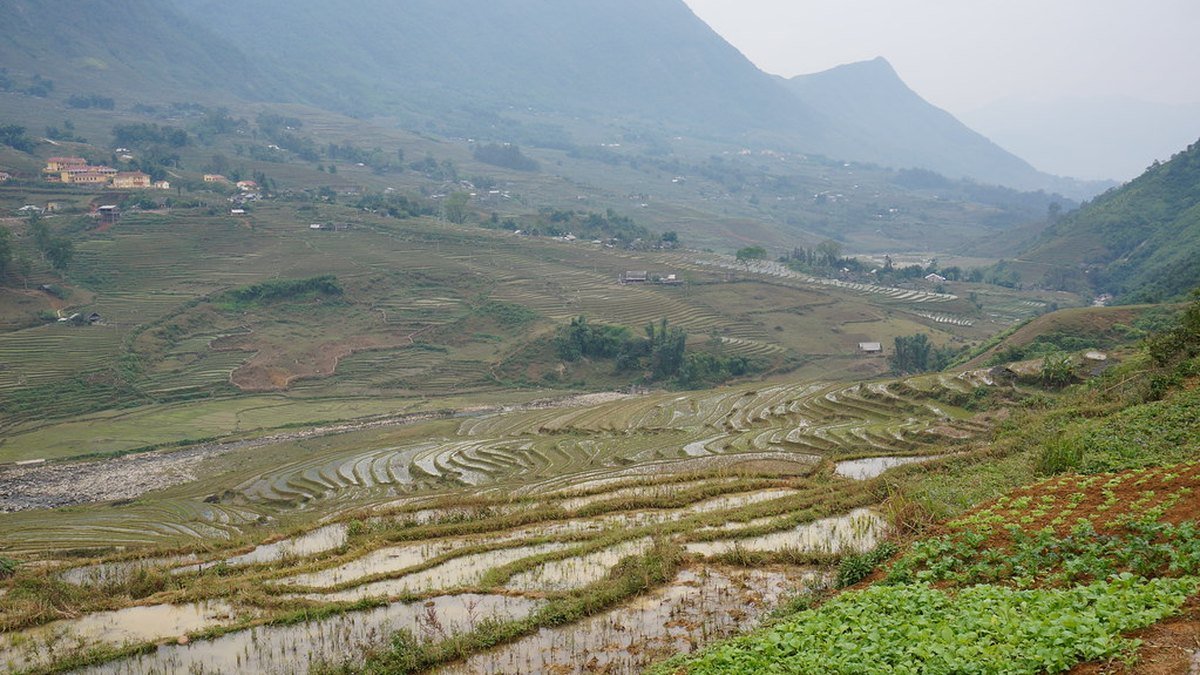
Rice is both a dietary staple and a major export. The country’s large river deltas, with their fertile soil and abundant water, are well suited to paddy cultivation and allow multiple harvests. These regions act as rice bowls that feed the domestic population and supply buyers across several markets.
Beyond volume, there is increasing attention to quality and branding, including fragrant and premium rice varieties that can command better prices than standard grades, helping farmers capture more value from each harvest.
Reliable rice exports also play a wider role in regional food security, as neighbouring countries draw on supplies from major producers. That gives the crop a significance beyond the farm gate, tying it to trade relationships across the region.
Seafood, fruit and other exports
The export basket extends well beyond coffee and rice. Seafood, including farmed and wild-caught products, is a significant earner supported by the long coastline and extensive aquaculture. Tropical fruits, cashews, pepper, rubber and other crops add further diversity.
- Seafood: shrimp and fish from aquaculture and fishing, processed for export.
- Tropical fruit: a range of fruits increasingly sold fresh or processed to overseas buyers.
- Cash crops: pepper, cashews, rubber and similar products with established export channels.
This breadth helps spread risk, so that weakness in one commodity does not necessarily undermine the whole sector.
How goods reach world markets
Getting produce from farm to foreign buyer involves collectors, processors, exporters and ports. Investment in processing, where raw crops are cleaned, graded, packaged or turned into finished goods, allows the country to earn more than it would by shipping unprocessed commodities alone.
Trade agreements have played an important role by lowering tariffs and easing access to large markets. Meeting the quality, safety and traceability standards that importers require is increasingly part of the job, pushing producers to upgrade practices.
Certification, cold-chain logistics and reliable transport all shape how much of the harvest reaches buyers in good condition. Weak links in this chain can waste produce or lower its value, so investment in storage, roads and ports is as important to farm incomes as what happens in the fields themselves.
Pressures and the shift to higher value
Agriculture faces notable pressures. Dependence on global commodity prices means incomes can swing with the market. Climate change, including shifting rainfall, drought, saltwater intrusion in low-lying deltas and extreme weather, poses long-term risks to yields and land.
In response, there is a broad push towards higher-value and more sustainable farming: better varieties, improved processing, stronger branding, and practices that use water and land more efficiently. Moving up the value chain is widely seen as the way to raise rural incomes while easing environmental strain.
Agriculture’s place in the bigger picture
Vietnam’s farm sector sits at the intersection of tradition and modernisation. It sustains rural communities and feeds the nation while connecting the country to global food markets and the trade networks that run through the Asia-Pacific, part of the regional story told in why the Asia-Pacific drives global growth.
As the economy continues to develop, the direction of travel is clear: from simply producing large volumes of raw commodities towards adding value, improving quality and building resilience against climate and market shocks. For a country long rooted in farming, that evolution is one of its most consequential long-term shifts.
Frequently asked questions
What are Vietnam’s main agricultural exports?
The best known are coffee and rice, alongside seafood such as shrimp and fish, tropical fruit, and cash crops including pepper, cashews and rubber.
Why is Vietnam so important in the coffee trade?
It is among the world’s largest coffee producers and exporters, particularly of robusta beans grown in the central highlands, giving its output a meaningful influence on global supply.
Where is most of the rice grown?
Rice is concentrated in the country’s large, fertile river deltas, where abundant water and rich soil allow multiple harvests that supply both domestic needs and export markets.
What challenges does the farm sector face?
Key pressures include volatile global commodity prices and climate risks such as drought, shifting rainfall and saltwater intrusion, prompting a shift towards higher-value, more sustainable and better-branded products.