
Key takeaways
- Australia is a major global exporter of farm and food products.
- Key exports include grains, beef, wool, dairy and wine.
- Most produce is exported, with Asia a central market.
- Farming is shaped by a dry, variable climate.
- Large, efficient operations characterise much of the sector.
Australia’s agriculture and food exports make the country one of the world’s most important suppliers of farm products, despite being one of the driest inhabited continents. Grain, beef, wool, dairy, wine and horticulture all travel from Australian farms to markets across Asia and beyond.
This explainer explains how the sector is structured, which products matter most, and the natural and market forces that shape a farming industry built on a vast but often harsh landscape.
A dry continent that feeds the world
Australia is one of the driest inhabited continents, yet it has become a significant global food supplier. The explanation lies in scale and efficiency: farms are often very large, highly mechanised and run by relatively few people, allowing the country to produce far more food than its own population needs.
Because domestic demand is small relative to output, a large share of farm production is exported. This makes the sector unusually outward-looking and closely tied to conditions in overseas markets, particularly across Asia-Pacific.
Grains and field crops
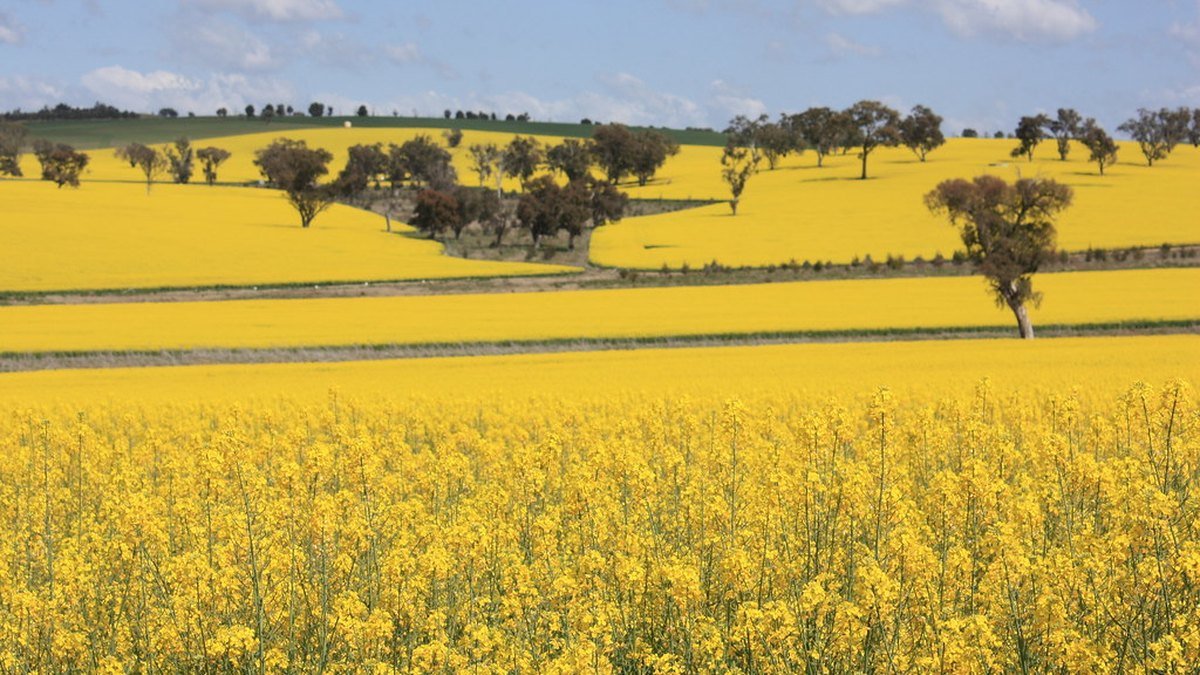
Grain growing is a cornerstone of the industry, concentrated in a broad belt of farmland. Wheat is the best-known crop, alongside barley, canola, pulses and other field crops. These are produced in large volumes and shipped to flour mills, feed producers and food manufacturers abroad.
Grain farming is strongly influenced by rainfall. In good seasons harvests can be substantial, while drought can sharply reduce output, making year-to-year variation a defining feature of the sector.
Livestock: beef, lamb and wool
Livestock is central to Australian agriculture, supported by extensive grazing land across the interior and coastal regions.
- Beef: the country is a leading global beef exporter, running both large grazing operations and feedlots, and shipping meat and live cattle to a range of markets.
- Sheep: sheep are farmed for both meat, especially lamb, and wool.
- Wool: Australia is renowned as a producer of high-quality wool, particularly fine merino wool prized by textile industries.
These industries have deep historical roots and remain important to rural communities and export earnings.
Dairy, horticulture and wine
Beyond grain and livestock, several other sectors add to the export mix:
- Dairy: milk, cheese, butter and milk powders are produced and exported, with Asian markets important for processed dairy.
- Horticulture: fruits, nuts and vegetables are grown across varied climates, from tropical produce in the north to temperate crops further south.
- Wine: the country is a well-known wine producer, exporting to many markets and supporting a substantial regional industry.
Food and beverage processing adds further value, turning raw produce into branded products for export.
Markets and trade
Trade is central to Australian agriculture. With production far exceeding domestic needs, farmers depend on access to overseas buyers. Asia-Pacific markets are especially important, reflecting both proximity and rising regional demand for high-quality food.
Free trade agreements and reputation for safety and quality help Australian products compete abroad. This export orientation is part of what makes the country such an active participant in regional commerce and in the broader story of why the Asia-Pacific drives global growth.
Why Asia matters so much
Growing populations and rising incomes across Asia have increased demand for protein, dairy and premium foods. Australia’s location, clean image and capacity to produce at scale position it well to serve these markets, though it competes with other large food exporters.
The forces that shape farming
Several factors drive the fortunes of the sector:
- Climate and water: rainfall variability and drought are the dominant natural influences, and water management is a constant concern.
- Global prices: as an exporter, the sector is exposed to world commodity prices and currency movements.
- Market access: trade terms and relations with key buyers affect where and how much is sold.
- Efficiency and technology: large-scale, technology-driven farming underpins the sector’s competitiveness.
The bigger picture
Australia’s agriculture and food exports are a striking example of turning a challenging environment into a global strength. Through scale, efficiency and a focus on quality, a dry continent has become a dependable supplier of grain, meat, wool, dairy and wine to the world, with Asia-Pacific buyers at the heart of its markets. The sector’s future rests heavily on managing a variable climate and maintaining access to those markets.
Frequently asked questions
What are Australia’s main agricultural exports?
Key exports include grains such as wheat and barley, beef, lamb, wool, dairy products, wine and a range of horticultural produce.
Why does Australia export so much food?
Farm production far exceeds the needs of the relatively small domestic population, so a large share of output is sold overseas, especially to Asia-Pacific markets.
How does the dry climate affect farming?
Rainfall variability and drought strongly influence harvests and grazing, so output can swing significantly from year to year, and water management is a constant priority.
Which markets are most important?
Asia-Pacific markets are central, reflecting proximity and rising regional demand for protein, dairy and premium-quality foods.