
Key takeaways
- 5G is a step change in capacity and responsiveness, not just raw speed.
- Much of Asia is mobile-first, so network quality shapes daily life.
- Spectrum, towers and fibre backhaul all limit how good a network can be.
- Coverage gaps and device cost remain the main barriers to wider use.
- Fixed wireless can extend fast internet where laying cable is hard.
Across much of Asia, 5G and mobile networks have become the default way people reach the internet. In many markets the smartphone is the first and often the only computer a household owns, so the quality of the mobile network shapes almost everything from how people pay for goods to how they study, run small businesses and stay in touch with relatives abroad.
This guide explains what 5G is, how mobile networks evolved across the region, and why the next generation of connectivity matters well beyond faster video downloads. The story is less about a single headline speed figure and more about capacity, reliability and reach.
From early mobile internet to 5G
Mobile networks have moved through several generations. Early systems carried voice and simple text; later generations added the data connections that made the mobile web, apps and video streaming practical. Each step widened what a phone could do. 5G is the latest stage, and it is designed less to make one phone feel faster and more to let a network serve far more devices at once without slowing down.
That distinction matters in Asia, where crowded cities place enormous demand on networks. A railway platform, a stadium or a busy market can hold thousands of active devices in a small area. Earlier networks struggled with that density; newer technology is built to handle it more gracefully.
What 5G actually changes
It helps to separate the real improvements from the marketing.
Higher capacity
The clearest benefit is capacity: the ability to connect many more devices and move much more data in the same space. This is what keeps service usable in dense urban environments and at large gatherings.
Lower latency
5G can reduce latency, the short delay between a request and a response. Lower latency matters for things like video calls, cloud gaming and industrial controls, where small delays are noticeable or costly.
Faster peak speeds
Peak download speeds can be very high, but real-world performance depends on how the network is built, how many people share it and how far a user sits from the nearest cell. Headline speeds are a ceiling, not a promise.
Why much of Asia is mobile-first
In many Asian markets, widespread fixed-line broadband arrived unevenly, while affordable smartphones and prepaid data plans spread quickly. The result is a mobile-first population for whom the phone is the main gateway to the internet. Digital payments, messaging, e-commerce and government services are often designed for small screens and patchy connections first.
This pattern helps explain why mobile network quality carries such weight in the region. When connectivity improves, whole categories of activity expand with it. The broader economic backdrop is covered in our explainer on why the Asia-Pacific drives global growth.
The physical network behind the signal
A mobile network is more than the radio signal reaching a handset. Several layers have to work together.
- Spectrum: the airwaves a network is licensed to use. Different frequency bands trade off range against capacity, so operators usually combine several.
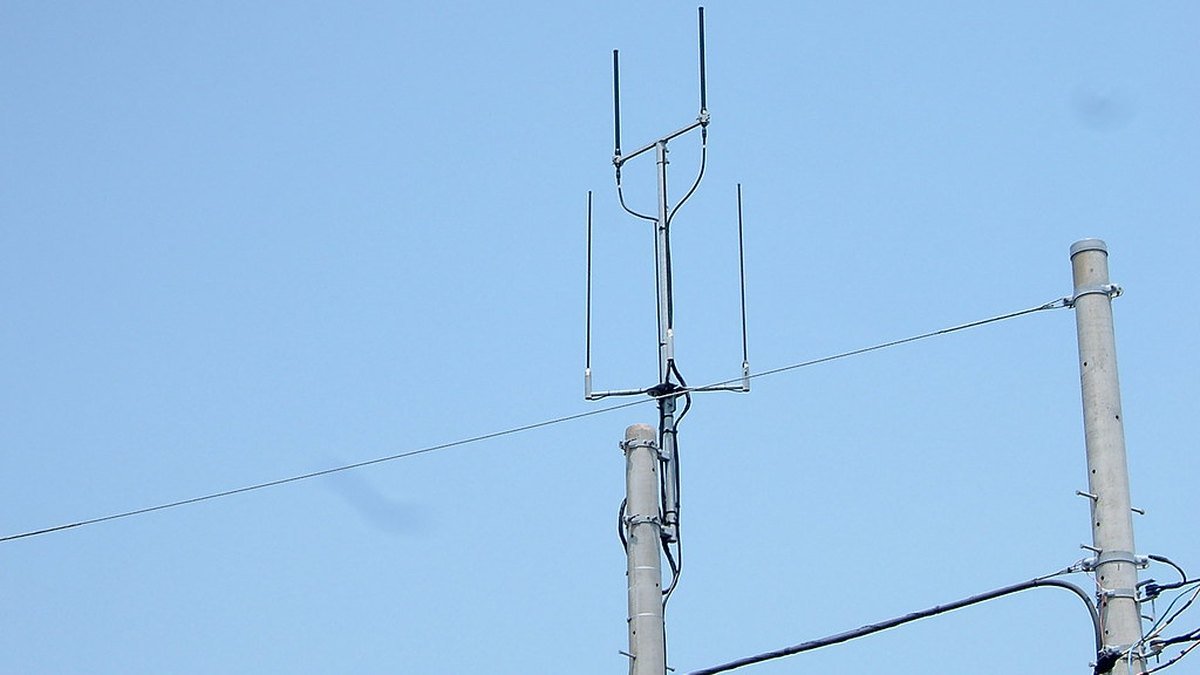
- Towers and small cells: the antennas that send and receive signals. Dense areas need many sites placed close together.
- Backhaul: the wired links, often fibre, that carry traffic from towers to the core network and on to the wider internet.
That last point is easy to overlook. A fast radio link is only as useful as the connection behind it, and much of the region’s international traffic ultimately travels through the systems described in our piece on undersea cables and Asia’s internet backbone. Investment in all three layers has to move together; upgrading the radios while leaving backhaul or power behind simply shifts the bottleneck rather than removing it.
The devices themselves also rely on advanced components, which ties mobile connectivity to the wider electronics supply chain. The concentration of chip manufacturing in the region is explored in our explainer on why Taiwan and Korea dominate semiconductors, and the health of that supply chain shapes how quickly new handsets and network equipment reach the market.
Fixed wireless and the last mile
Running cable to every home is slow and expensive, especially across islands, mountains and sparsely populated districts. Fixed wireless access uses mobile network technology to deliver broadband-style service to a fixed location, such as a house or a shop, without digging trenches. In parts of Asia this offers a practical way to bring faster internet to places that cable may not reach for years. For small businesses in particular, it can mean the difference between relying on a single mobile handset and running a proper connected office.
The main challenges
Several obstacles shape how quickly better networks spread.
- Coverage gaps: rural and remote areas are costlier to serve and often lag cities.
- Device affordability: newer handsets can be out of reach for lower-income users, so older networks stay important for years.
- Building out infrastructure: acquiring sites, securing power and laying backhaul all take time and money.
- Power and reliability: consistent electricity and maintenance are essential, particularly outside major centres.
Because of these factors, several network generations usually run side by side. Operators keep older systems alive so that less expensive phones and harder-to-reach regions stay connected, and this layered approach is likely to persist for many years rather than disappear with each upgrade.
Where mobile networks go next
The broad direction is toward networks that are denser, more responsive and able to support a growing number of connected devices beyond phones, from sensors to vehicles. Progress will be gradual and uneven, shaped by cost, spectrum availability and local conditions rather than by any single launch. For most users, the practical measure of success is simple: a connection that works reliably, in more places, for more of what daily life now depends on.
Frequently asked questions
Is 5G just faster than 4G?
Not only. The bigger gains are in capacity, the ability to serve many devices at once, and in lower latency. Peak speeds can be higher, but real-world performance depends on how the network is built and shared.
Why do older networks still matter in Asia?
Many users rely on affordable handsets and live in areas not yet covered by the newest technology. Operators keep earlier networks running so those users stay connected.
What is fixed wireless access?
It uses mobile network technology to deliver broadband-style service to a fixed location, such as a home, without laying cable. This helps reach places where wiring is slow or costly.
Does a fast signal guarantee a fast connection?
No. The wired backhaul behind the towers and the wider internet links all affect the result. A strong radio signal is only one part of the chain.