
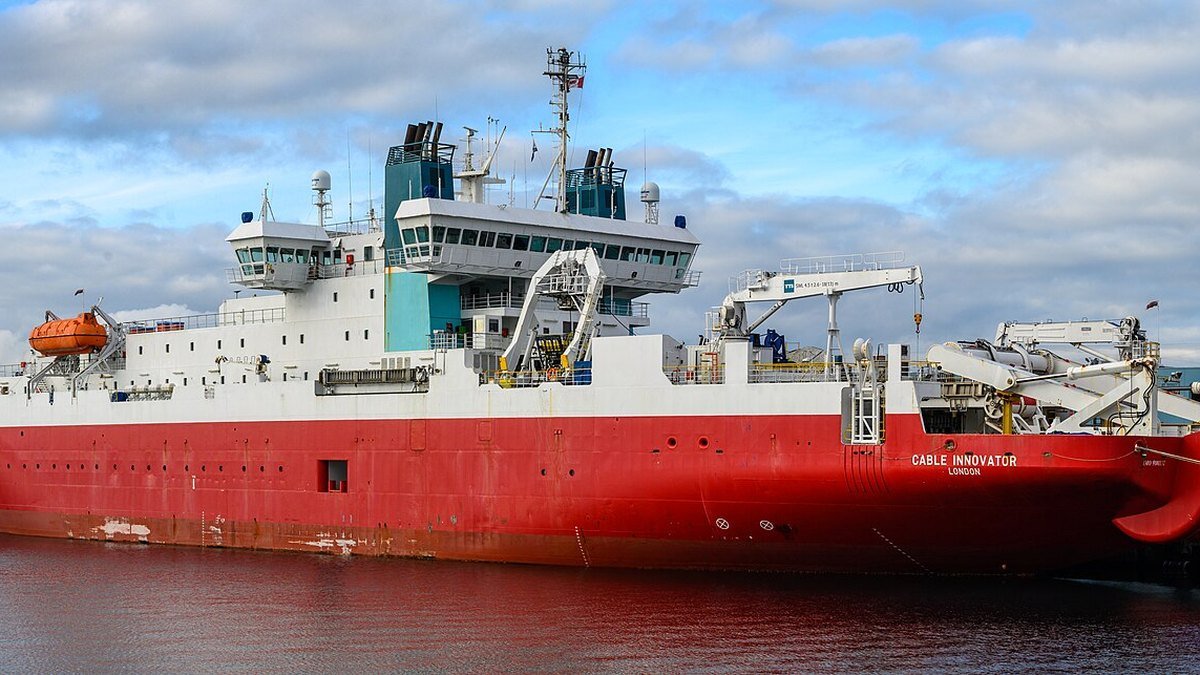
When you load a website hosted overseas, stream a show from another continent or join a video call across borders, your data almost certainly travels through a cable lying on the ocean floor. These submarine cables are the unglamorous backbone of the global internet, and the Asia-Pacific has become one of their busiest and most strategically important crossroads. This explainer covers how the system works, why Asia is so pivotal, and why the quiet business of laying cables now carries real commercial and national stakes.
Key takeaways
- The vast majority of international data travels by undersea fibre-optic cable, not satellite.
- Cables run for thousands of kilometres between landing stations on different coasts.
- Asia’s dense population and booming internet use make it a magnet for new cables.
- Points where many cables converge are strategically important chokepoints.
- Who builds, owns and protects cables has become a matter of national interest.
How the undersea cable system works
Submarine communications cables are fibre-optic lines — often no thicker than a garden hose — that carry data as pulses of light. They run for thousands of kilometres across ocean floors, connecting landing stations on different coastlines. From those landing points, the data joins terrestrial networks and makes its way to homes, offices and data centres.
A common misconception is that satellites carry most international internet traffic. In reality, satellites handle only a small fraction; the overwhelming majority of data crossing oceans goes by sea cable, because cables offer far greater capacity and lower delay. Laying and maintaining them is a specialised business, carried out by purpose-built ships that lay cable across the seabed and repair faults when they occur.
Why Asia is pivotal
Several factors make the Asia-Pacific central to the global cable network:
- Population and usage: a huge share of the world’s internet users live in the region, and usage keeps growing.
- Data centres: major hubs that store and serve content are expanding across the region, generating enormous traffic.
- Geography: the region’s seas sit on key routes between continents, so many cables pass through or near them.
That demand is tightly linked to the region’s broader digital rise — from the payment systems in India Stack to the booming online economy described in why the Asia-Pacific drives global growth. More users and more services mean more data, and more data means more cables.
Chokepoints and resilience
Because cables follow efficient routes, many of them funnel through a limited number of chokepoints — narrow seas and straits where a great deal of the world’s traffic is concentrated. That concentration creates vulnerability: damage in a busy corridor, whether from ships’ anchors, natural events or accidents, can disrupt connectivity for many users at once.
To manage that risk, network operators build redundancy — multiple cables on different routes — so that if one fails, traffic can be rerouted. New cable projects are constantly being planned to add capacity, open alternative paths and reduce single points of failure. Repairing a damaged deep-sea cable is a slow, expensive operation, which is why resilience is designed in from the start.
The quiet stakes: who builds and protects the cables
Because so much economic and social life now depends on this infrastructure, the questions of who builds, owns and protects submarine cables have moved from a niche engineering concern to a matter of commercial competition and national interest. Governments and companies alike pay close attention to new cable routes, ownership and security, recognising that control over the physical layer of the internet is a form of strategic influence — a hidden counterpart to the contest over the advanced chips that power the digital world.
The challenges ahead
The demands on the cable network keep rising. Explosive growth in data — driven by video, cloud computing and new technologies — means ever more capacity is needed. Protecting cables from accidental and deliberate damage, maintaining enough repair ships and expertise, and funding new routes to under-served areas are all ongoing challenges. How well the industry and governments meet them will help determine the reliability of the internet that the region, and the world, increasingly runs on.
What happens when a cable breaks
Undersea cables are remarkably robust, but they do fail — most often from ship anchors or fishing gear in shallow waters, and sometimes from natural events such as undersea landslides. When a cable is damaged, traffic is usually rerouted automatically onto other cables, so users may notice slower speeds rather than a total outage, provided enough alternative routes exist. That is exactly why operators build redundancy into the network.
Repairs are a specialised and time-consuming job: a repair ship must locate the fault, raise the cable from the seabed, splice in a new section and lower it back. Because the pool of repair ships and skilled crews is limited, a cluster of faults in a busy corridor can take time to fix — which is one reason the location and protection of cables attract such attention.
How cables connect to the wider digital economy
Submarine cables are the foundation beneath almost everything else in the region’s digital rise. The payment systems in India Stack, the cloud services businesses rely on, and the data centres springing up across the region all depend on fast, reliable international connectivity. As the Asia-Pacific’s online economy grows, the quiet infrastructure on the seabed becomes ever more essential — and ever more strategically valuable.
Frequently asked questions
How does most international internet data travel?
The overwhelming majority of international data travels through fibre-optic submarine cables lying on the ocean floor. Satellites carry only a small fraction, because cables offer far greater capacity and lower delay.
Why is the Asia-Pacific important for undersea cables?
The region has a huge and growing number of internet users, expanding data centres and geography that sits on key routes between continents, which makes it a major destination for new cable projects.
What is a cable chokepoint?
A chokepoint is a narrow sea or strait where many cables converge, concentrating a large share of traffic. Damage in such a corridor can disrupt connectivity for many users at once, which is why operators build alternative routes.
Why are undersea cables a national-security issue?
Because so much economic and social activity depends on them, the questions of who builds, owns and protects submarine cables have become matters of commercial competition and national interest.
The bottom line
Undersea cables are the hidden backbone of the internet, and the Asia-Pacific sits at the heart of the global network. As the region’s data use soars, the business of building, routing and protecting these cables has become both a commercial race and a strategic priority — a quiet but critical layer beneath the digital boom.