
Key takeaways
- Data centres store and process the information behind apps, cloud services and AI.
- Fast growth in internet users and businesses drives demand for more capacity.
- Cloud providers and AI workloads need large, reliable facilities close to users.
- Power, cooling and water are the main constraints on where they can be built.
- Location choices balance connectivity, energy, climate and local regulation.
Data centres are the physical homes of the digital economy, and across the Asia-Pacific they are being built at a remarkable pace. These large, specialised buildings house the servers that store files, run websites and apps, stream video and increasingly train and serve artificial intelligence.
As more of the region’s people and businesses move online, demand for this computing capacity keeps rising. Understanding why Asia is building so many data centres means looking at user growth, cloud computing, connectivity and the practical limits of land, power and water.
What a data centre actually does
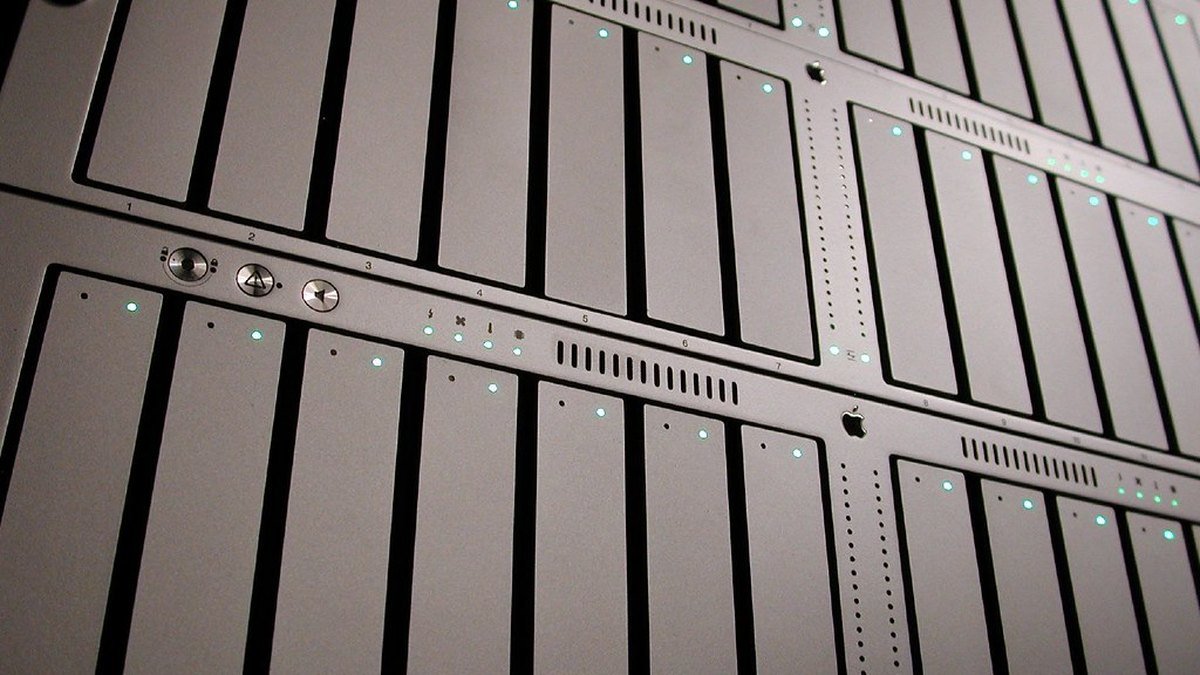
A data centre is a building designed to run computers reliably around the clock. Inside are rows of racks holding servers, along with the networking gear that connects them to the internet. Just as important are the support systems: backup power, cooling to carry away the heat the machines produce, fire protection and physical security.
When you open an app, stream a show or save a photo to the cloud, the work usually happens in one of these facilities rather than on your own device. The more people and companies rely on online services, the more of this capacity the region needs. Facilities range from small sites serving a single city to vast campuses that host computing for many customers at once, and operators tend to measure their scale by the electrical power they can draw rather than simply by floor space.
Why demand is rising so quickly
Several trends push demand upward at the same time. Internet use continues to grow across the Asia-Pacific as more people come online and spend more time on data-heavy services such as video, gaming and social media. Businesses are moving their systems to the cloud, renting computing from large providers instead of running their own server rooms.
On top of this, newer workloads are especially demanding. Training and running advanced software, including the systems behind modern artificial intelligence in the Asia-Pacific, can require dense clusters of powerful chips that draw far more power than traditional servers. All of this adds up to a steep rise in the computing capacity the region must host.
The pull of local data
A key reason to build in Asia, rather than serve the region from elsewhere, is distance. Data travels fast but not instantly, so placing servers closer to users reduces delay and makes services feel more responsive. For live video, gaming and financial applications, those fractions of a second matter.
Rules also play a part. Some governments require certain data, such as personal or financial records, to be stored within national borders. These data-residency rules encourage providers to build local facilities rather than route everything through distant hubs.
Connectivity and the undersea backbone
Data centres are only useful if they are well connected. They cluster near the points where major networks meet, including the landing stations of undersea cables that carry the bulk of international internet traffic. Our explainer on undersea cables as Asia’s internet backbone describes how these links shape where digital infrastructure is placed.
Strong connectivity, reliable electricity and stable governance together make a location attractive. That is why a handful of well-linked cities and emerging hubs across the region have drawn a large share of new construction.
The energy and water challenge
The biggest constraint on data centres is not land but power. Servers run continuously and must be kept cool, which uses large amounts of electricity. In hot, humid climates common across parts of Asia, cooling is even more demanding. Many facilities also use water as part of their cooling systems, which can strain local supplies.
Operators and governments are responding in several ways:
- Improving energy efficiency so more computing is done per unit of power.
- Sourcing more electricity from renewable generation where available.
- Adopting cooling designs that use less water, including liquid cooling for dense equipment.
- Steering new projects towards areas with spare power capacity and cooler conditions.
Because a cluster of large facilities can rival a small town in electricity use, their growth is now part of wider debates about energy planning and sustainability.
How locations are chosen
Picking a site means balancing competing factors. Developers look for reliable, affordable power; good network connectivity; a stable legal and regulatory environment; protection from natural hazards; and a climate that keeps cooling costs manageable. Established hubs offer connectivity and talent but can face shortages of land and power, which pushes some new building towards emerging markets with spare capacity.
The result is a spread of activity: dense, mature clusters in long-standing financial and connectivity centres, alongside fast-growing sites in markets that are newer to large-scale digital infrastructure.
What the boom means for the region
For economies across the Asia-Pacific, data centres can bring investment, construction activity and skilled operational jobs, and they underpin the online services that households and businesses increasingly depend on. They also raise lasting questions about how to supply enough clean power and water without crowding out other needs.
The trend shows little sign of slowing. As digital services deepen and computing-hungry software spreads, the region’s appetite for capacity is likely to keep growing. The central challenge is less whether to build and more how to build in a way that is efficient, resilient and sustainable over the long term. For many governments in the region, the task is to welcome the investment and services that data centres bring while ensuring that their demands on power and water are planned for rather than left to chance.
Frequently asked questions
What is a data centre used for?
It is a building full of servers that store and process digital information, running the websites, apps, cloud services, streaming and AI tools that people and businesses use every day.
Why is Asia building so many data centres?
Fast growth in internet users, the shift of businesses to cloud computing, demand for responsive local services, data-residency rules and newer computing-heavy workloads all push up the need for capacity in the region.
Do data centres use a lot of energy and water?
Yes. Servers run constantly and must be kept cool, so large facilities use significant electricity and often water, which is why efficiency, renewable power and water-saving cooling are major priorities.
Why are data centres built near undersea cables?
They need fast, high-capacity connections. Clustering near the landing points of undersea cables and major network hubs reduces delay and improves the speed and reliability of online services.