
Why ‘decoupling’ from China is harder than it sounds
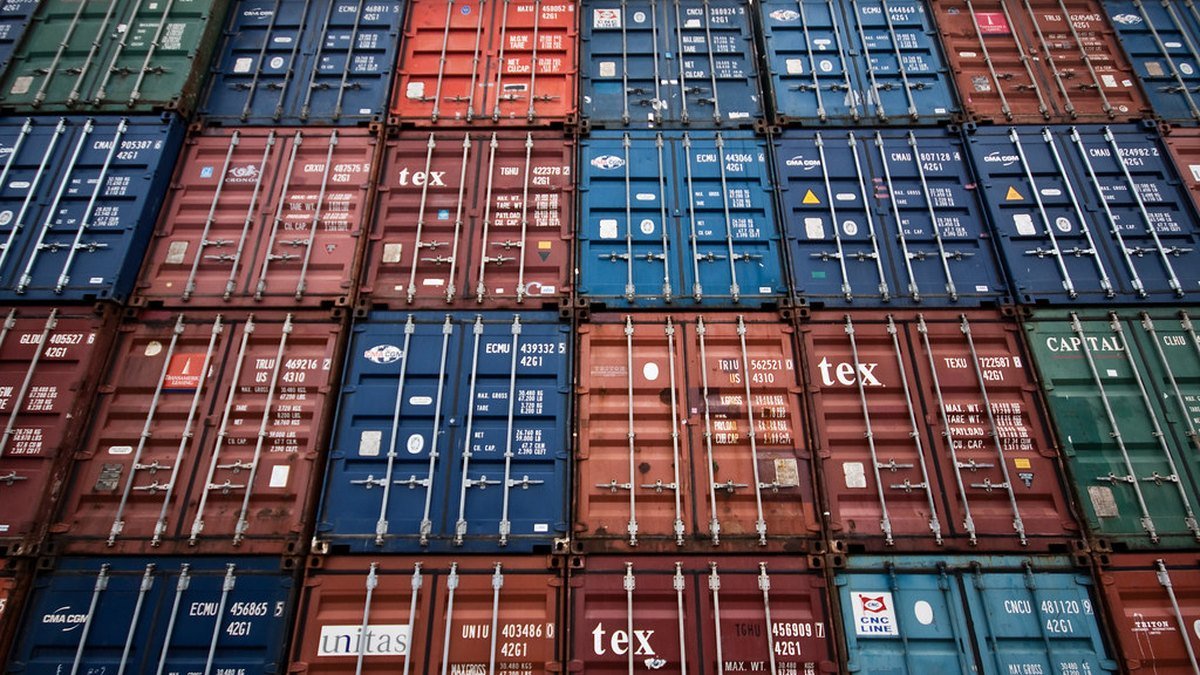
Decoupling from China sounds simple, but deep supply chains, scale and specialisation make separating economies far harder than slogans suggest.
Decoupling from China sounds simple, but deep supply chains, scale and specialisation make separating economies far harder than slogans suggest.
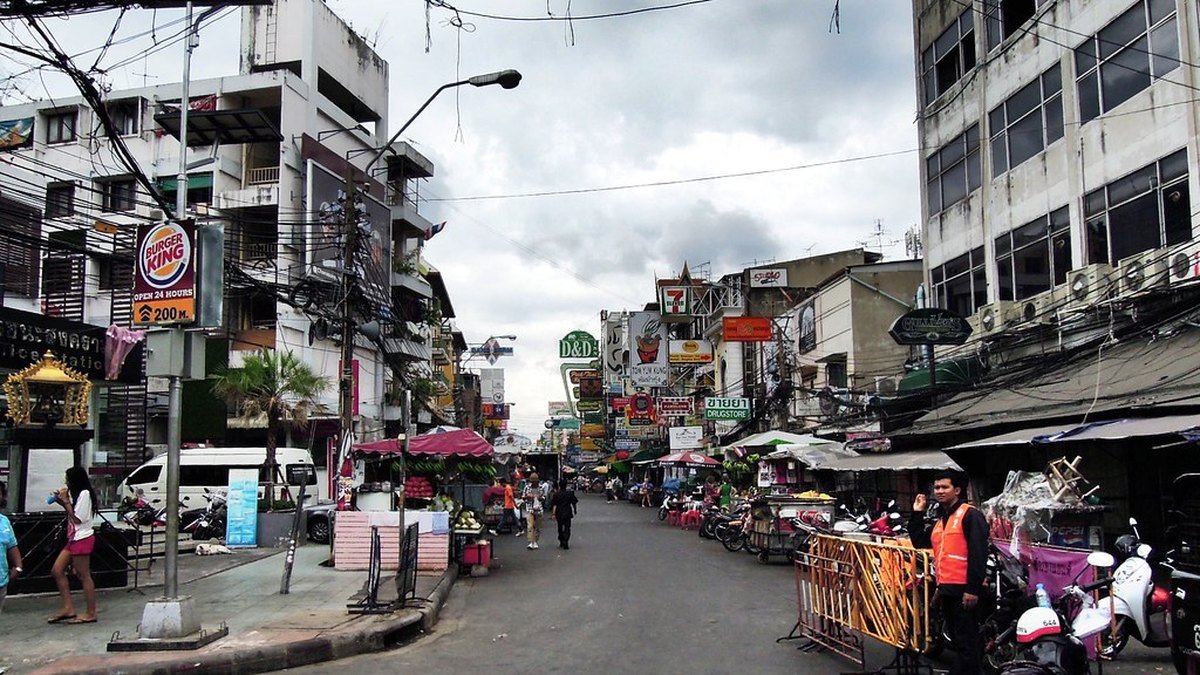
Why small and medium enterprises are the backbone of Asian economies, driving jobs, trade and local growth across the region.

The Asia-Pacific’s role in global trade and shipping routes explained: why the region’s ports, straits and sea lanes underpin the world economy.
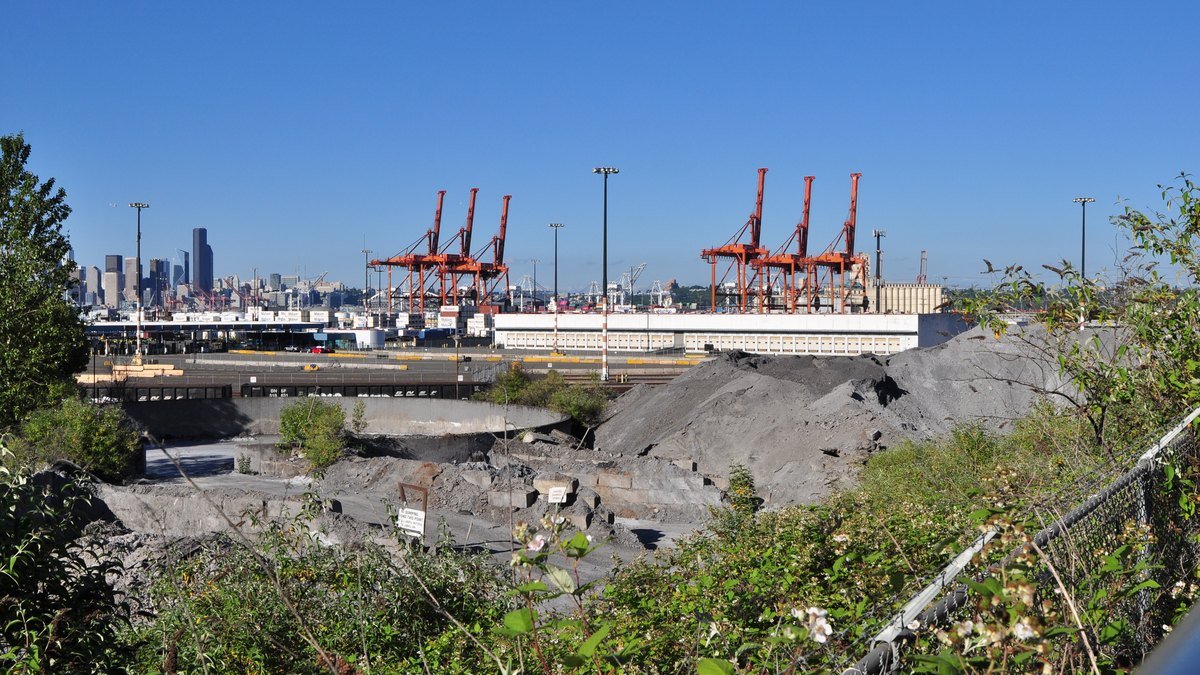
How ports and logistics networks underpin Asian business, moving goods, linking supply chains and connecting the region to world trade.

Fiji’s economy explained: how tourism, agriculture, remittances and trade shape one of the South Pacific’s larger island nations.
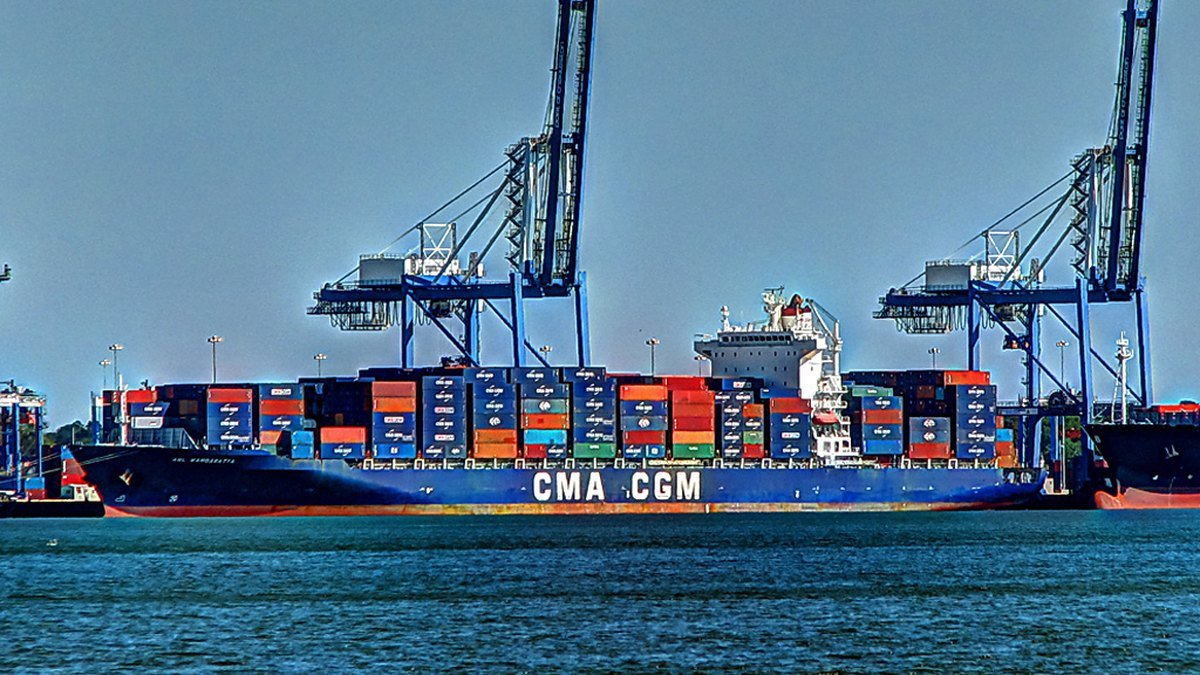
Understand South Korea’s export economy: the key industries, how trade drives growth, and why global demand shapes the country’s fortunes.

Special economic zones in Asia are carved-out areas with relaxed rules to attract investment, manufacturing and trade. Here is how they work.
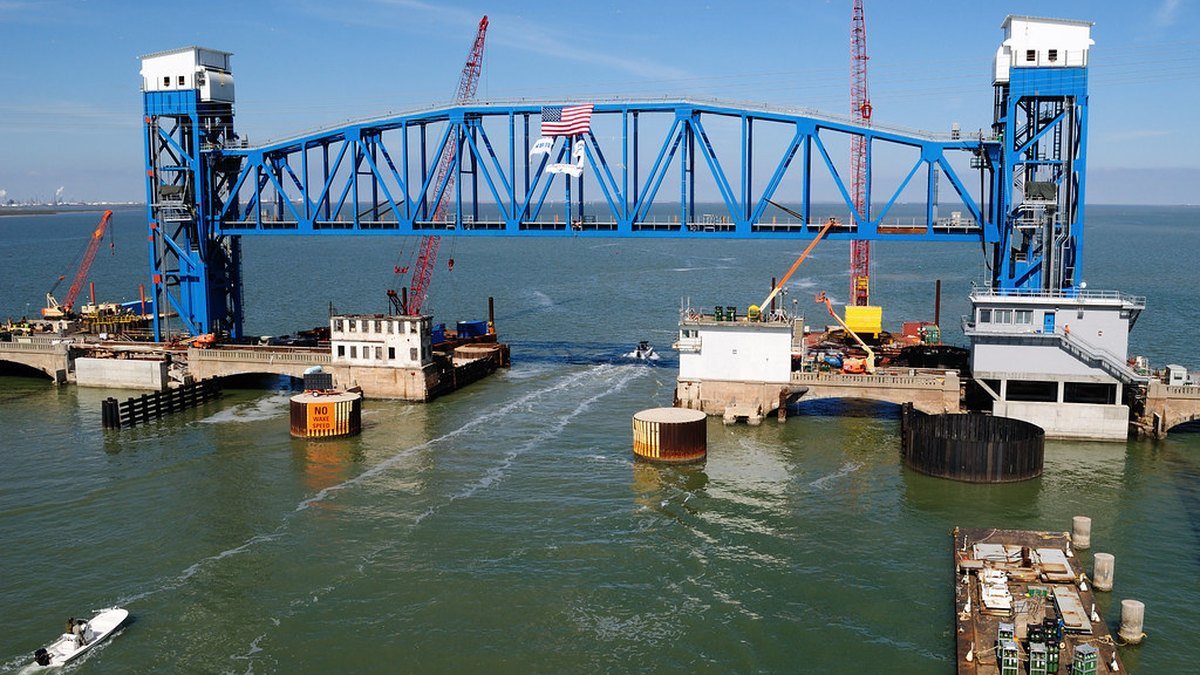
The Belt and Road Initiative is China’s global plan to fund ports, railways and roads. A clear guide to how this infrastructure programme works.
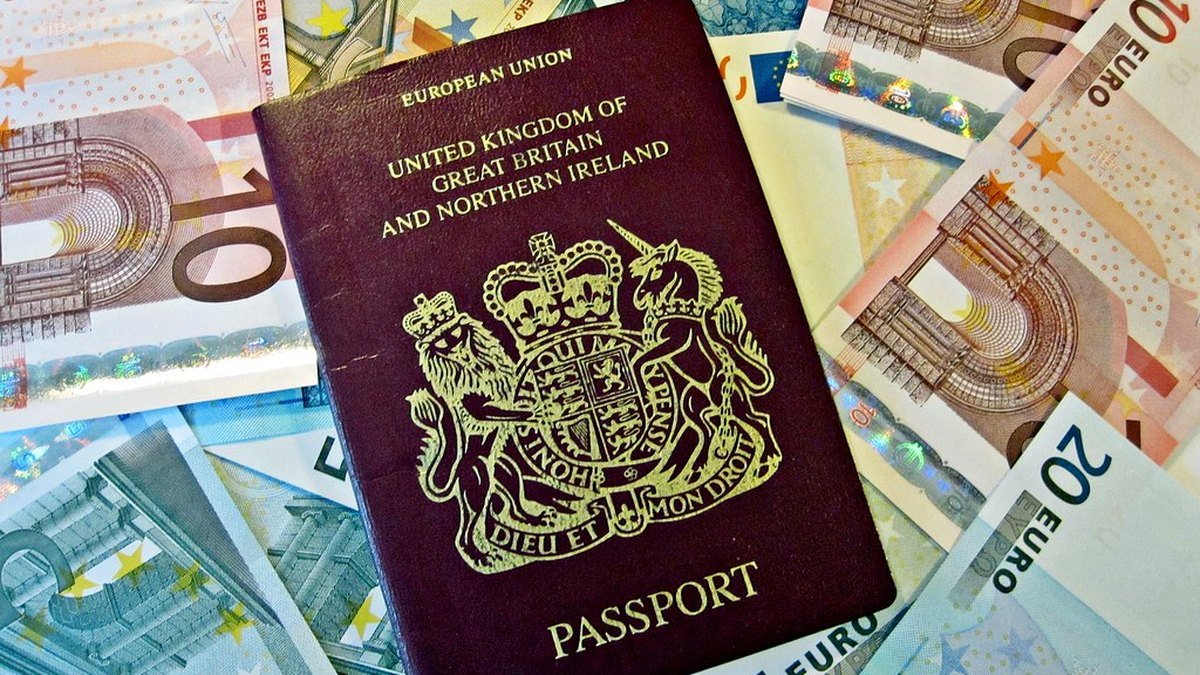
Currency markets in Asia set the value of regional money against the world. This beginner’s guide explains how exchange rates work and why they matter.

New Zealand’s economy explained: how agriculture, tourism, services and trade shape a small, open advanced economy.