
Key takeaways
- Ports are the gateways where sea freight meets land transport and warehousing.
- Asia hosts many of the world’s busiest container ports, making it central to global trade.
- Logistics covers the whole journey of goods, not just the sea leg.
- Efficiency, cost and reliability all shape how competitive a trade route is.
- Automation, data and resilience are the main forces reshaping the sector.
Ports and logistics form the physical backbone of Asian business. Every smartphone, garment and container of food that moves to or from the region passes through a chain of ships, terminals, warehouses and trucks that most people never see but everyone relies upon.
This explainer walks through how that system works: what ports actually do, how goods flow through a modern supply chain, why the region is so central to global trade, and the pressures reshaping logistics today. The focus is on how the pieces fit together.
Why ports sit at the centre
Most international trade travels by sea, because moving goods in bulk across water is far cheaper than by air. Ports are the points where that sea freight meets the land: the place where a container is lifted off a ship, checked, stored and sent onward by truck, train or barge. A busy port is therefore not just a dock but a complex junction of shipping lines, customs, storage yards and inland transport.
Asia’s geography puts it astride some of the world’s most important shipping lanes. Many of the busiest container ports on the planet are found in the region, handling vast volumes of goods each year and connecting factories to distant consumers. That concentration is one reason the region is so central to how the global economy works, a theme explored further in our piece on why the Asia-Pacific drives global growth.
What a modern supply chain looks like
Logistics is often reduced in people’s minds to ships and containers, but the sea leg is only one part of a longer journey. A typical path for a manufactured good might run like this:
- Raw materials and components arrive at a factory, often from several countries.
- Finished goods are packed into standard containers.
- Containers travel by truck or rail to a port.
- A ship carries them across the sea to a destination port.
- From there they move to warehouses, distribution centres and finally to shops or doorsteps.
At each handover there is paperwork, inspection and the risk of delay. Smooth logistics is largely about making those handovers as fast and predictable as possible.
The container revolution
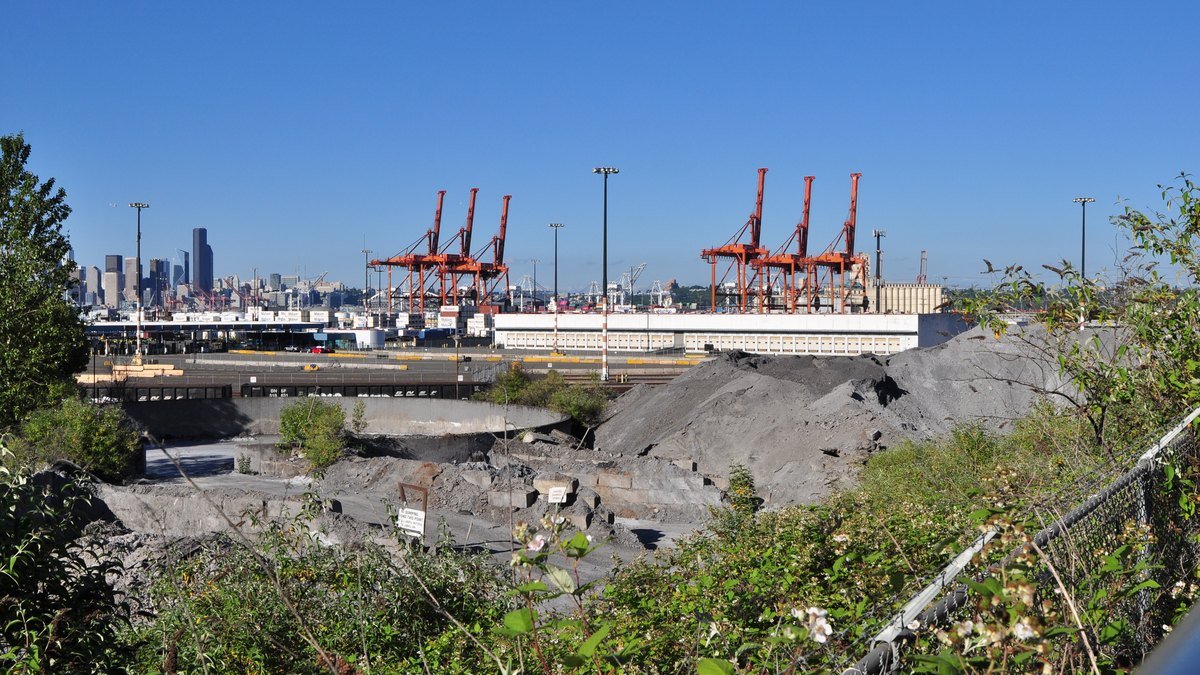
It is hard to overstate how much the humble shipping container changed trade. By standardising the box in which goods travel, it allowed cargo to move seamlessly between ship, train and truck without being unpacked and repacked. That cut costs and handling time dramatically and made global supply chains possible. Modern ports are built around this standard box, with towering cranes designed to load and unload containers quickly.
The links in the chain
Several specialised players keep goods moving. Understanding their roles helps explain where delays and costs come from.
Shipping lines
These companies own or operate the vessels and set the schedules and routes that connect ports. The capacity and reliability of their services shape how quickly goods can travel.
Ports and terminal operators
Terminals handle the physical loading, unloading and storage of cargo. Their efficiency, measured in how fast they can turn a ship around, is a key competitive factor.
Freight forwarders and logistics firms
These intermediaries arrange the whole journey on behalf of businesses, booking space, handling documents and coordinating the land legs. They are the organisers who stitch the separate steps together.
What makes a trade route competitive
Businesses choosing how to move goods weigh several factors beyond headline price:
- Cost: the total expense of shipping, handling and storage.
- Speed: how long the goods take to arrive.
- Reliability: whether delivery times are predictable.
- Connectivity: how many destinations a port or route links to.
A port that is cheap but unreliable may lose out to one that is slightly dearer but dependable, because unpredictable delays ripple through entire supply chains and tie up money in stranded inventory.
Forces reshaping logistics
The sector is changing steadily rather than standing still. A few broad trends stand out.
Automation and data. Many large terminals now use automated cranes and vehicles, while software tracks containers and predicts bottlenecks. Better data lets operators plan more precisely and gives businesses visibility over where their goods are.
Resilience. Disruptions in recent years have pushed companies to think harder about backup routes and suppliers, rather than relying on a single path. The aim is a chain that can bend without breaking.
Environmental pressure. Shipping and logistics are under growing scrutiny over emissions, prompting interest in cleaner fuels and more efficient operations over the long term.
Why it matters for everyday business
For most companies, logistics is not a glamorous subject, yet it quietly shapes what they can sell, where and at what price. A small manufacturer near an efficient port can reach world markets; one cut off from good links struggles to compete. Delays and costs in moving goods feed through into prices on the shelf. In that sense, ports and logistics are less a background detail than a core part of how Asian business functions, connecting local producers to customers around the world.
Frequently asked questions
Why do most goods travel by sea?
Moving goods in bulk across water is far cheaper than by air, so the great majority of international trade goes by ship. Ports are where that sea freight transfers to land transport.
What does a freight forwarder do?
A freight forwarder arranges the whole journey of goods on a business’s behalf, booking shipping space, handling customs paperwork and coordinating the land legs between factory and destination.
How did shipping containers change trade?
The standard container let cargo move between ship, train and truck without being unpacked, which sharply cut handling time and cost and made today’s global supply chains possible.
What makes one port more competitive than another?
Cost, speed, reliability and connectivity all matter. A port that turns ships around quickly and links to many destinations tends to attract more trade, even if it is not the cheapest.