
The history of economic integration in the Asia-Pacific
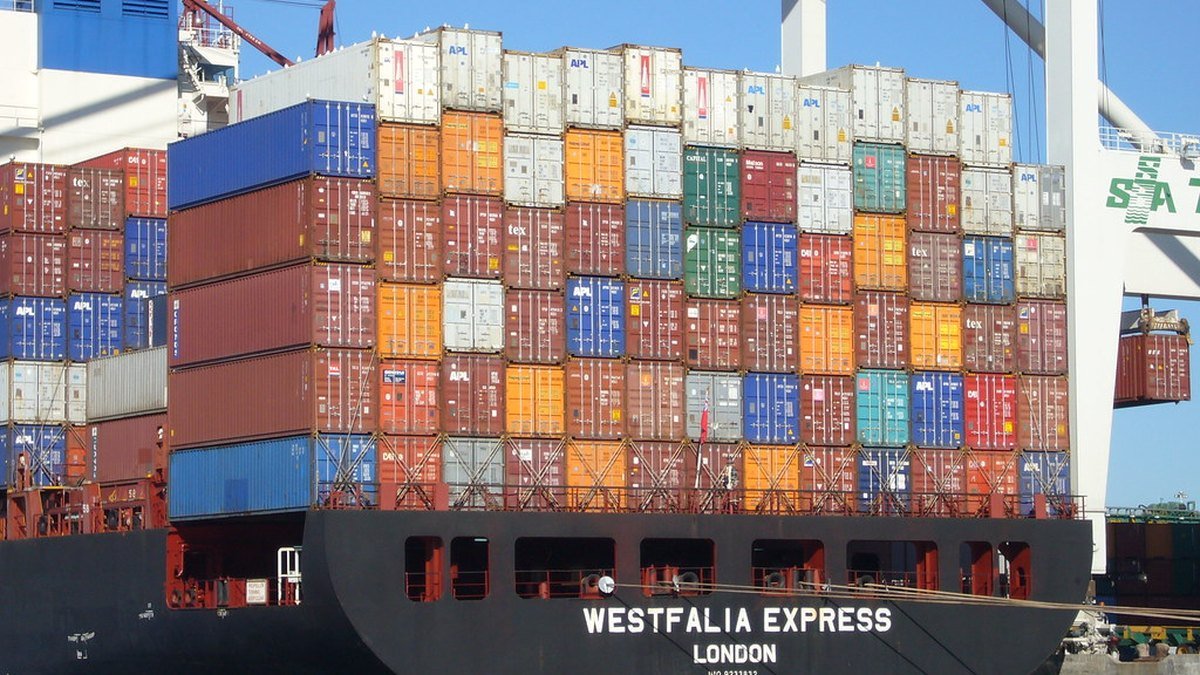
Economic integration in the Asia-Pacific grew from post-war trade ties into a dense web of supply chains, agreements and shared markets.
Economic integration in the Asia-Pacific grew from post-war trade ties into a dense web of supply chains, agreements and shared markets.
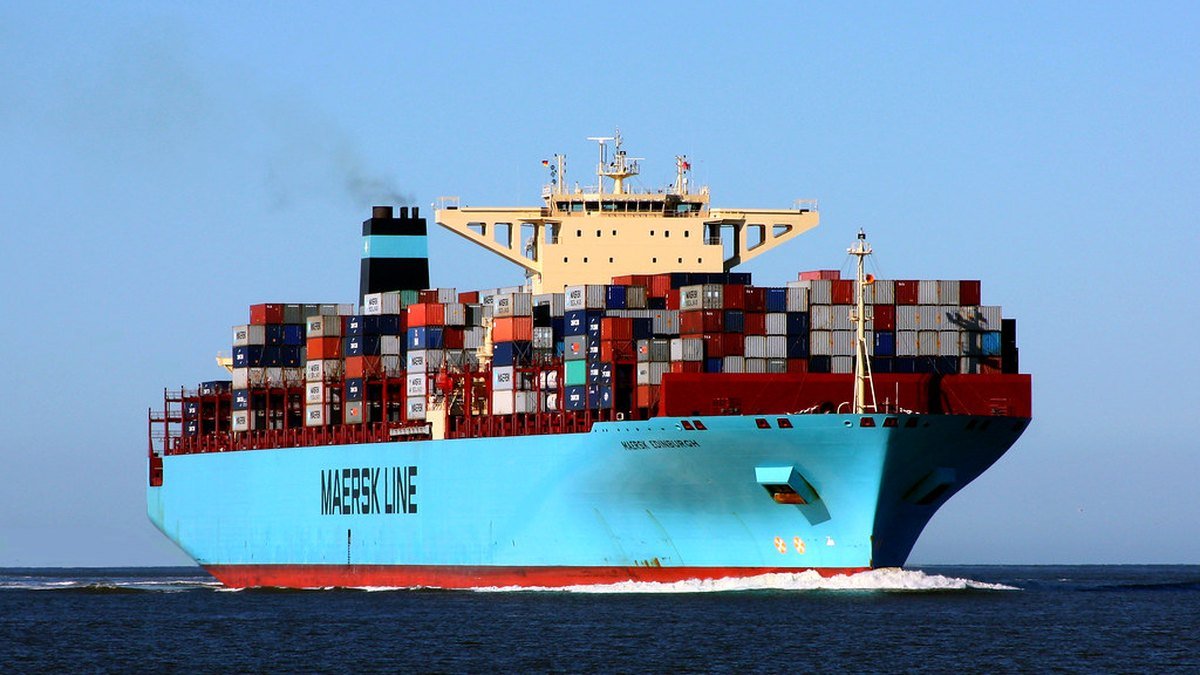
Regional trade agreements in the Asia-Pacific lower barriers, set shared rules and link economies, shaping how goods, services and investment move.
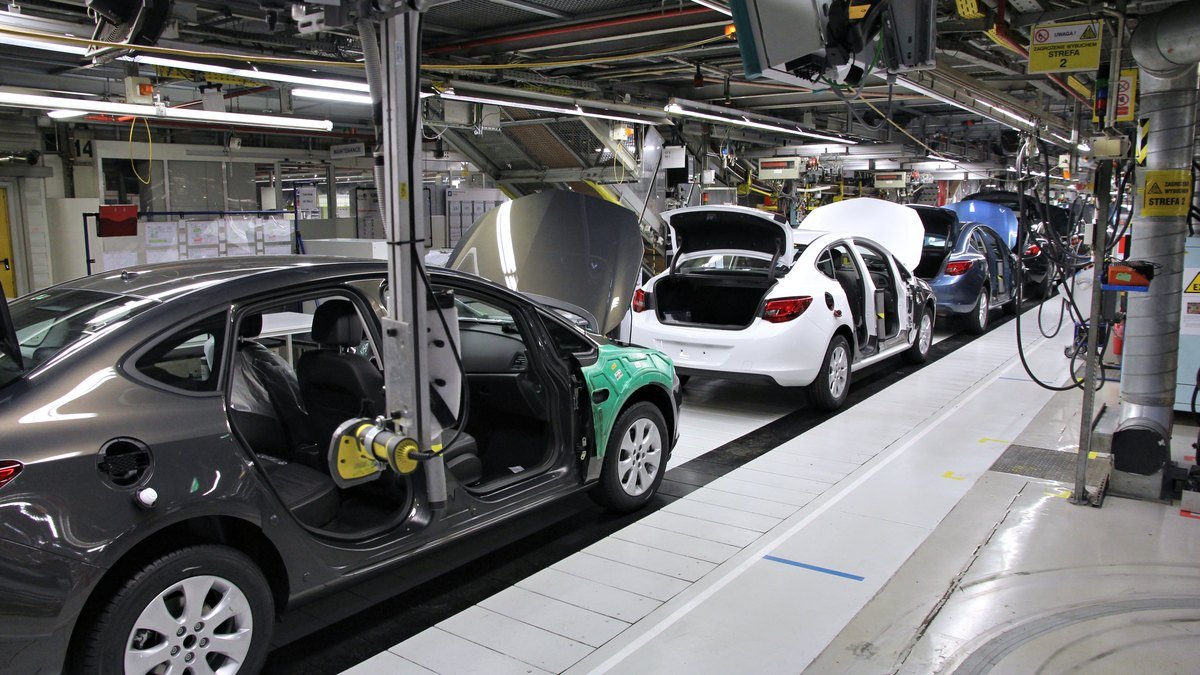
Analysis: why supply chains will keep shifting around Asia, driven by cost, resilience and diversification rather than a single move away from the region.
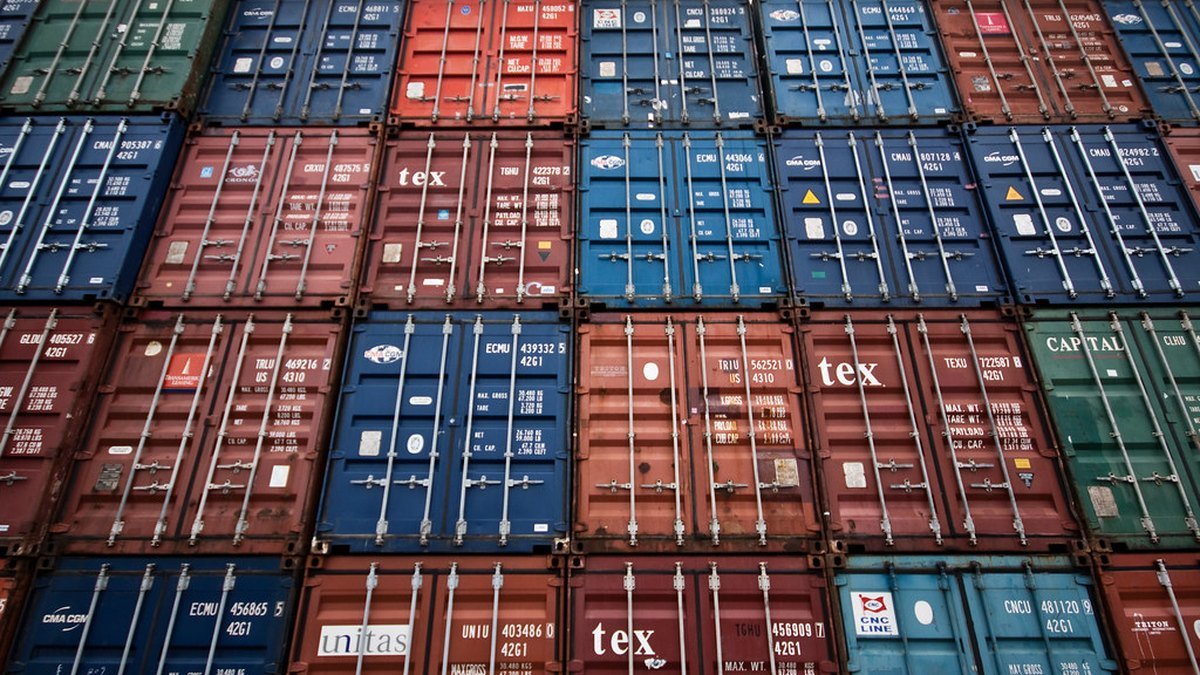
Decoupling from China sounds simple, but deep supply chains, scale and specialisation make separating economies far harder than slogans suggest.

The Asia-Pacific’s role in global trade and shipping routes explained: why the region’s ports, straits and sea lanes underpin the world economy.
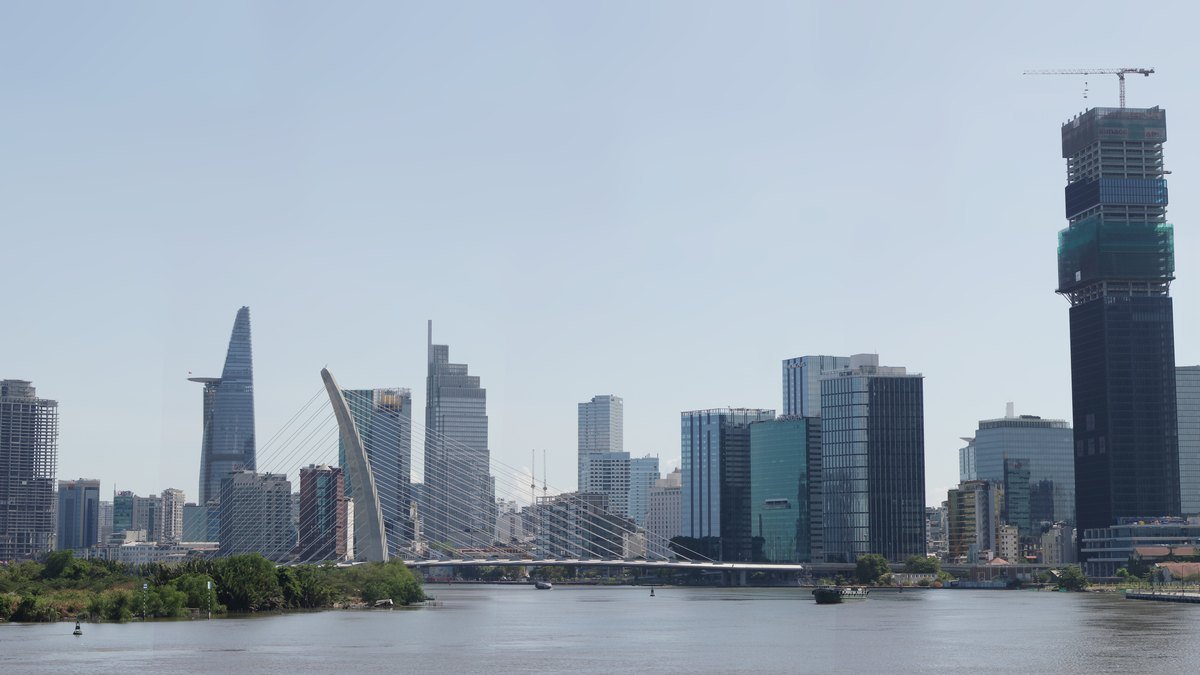
How Vietnam became a leading manufacturing hub in Southeast Asia, and the factors driving its export-led growth.

Analysis: the case for watching Southeast Asia’s quiet rise, from its young workforce and strategic location to its growing role in global supply chains.

China’s manufacturing economy powers global supply chains. A clear explainer on how it grew, what it makes and why it matters worldwide.