
Follow Asia-Pacific politics for long and you will quickly run into an alphabet soup of groupings: ASEAN, the Quad, and a growing list of economic and security frameworks. They are easy to confuse, yet the differences between them matter enormously, because they determine what each one can actually do. This plain-English guide explains the main Indo-Pacific groupings — who belongs, what they are for, and how binding their commitments really are.
Key takeaways
- ASEAN is the core ten-member Southeast Asian bloc, working by consensus.
- The Quad links Australia, India, Japan and the United States — a consultation, not a treaty alliance.
- Various economic frameworks promote trade and supply-chain cooperation.
- Membership, purpose and level of commitment differ sharply between groupings.
- Knowing whether something is an alliance or a forum changes how to read the news.
Why the Indo-Pacific is full of groupings
The Asia-Pacific — increasingly called the Indo-Pacific to reflect the growing importance of the Indian Ocean — is home to most of the world’s people and a huge share of its economy (see why the Asia-Pacific drives global growth). With so many interests in play, countries have built overlapping forums to manage trade, security and diplomacy. Some are long-standing institutions; others are looser, newer arrangements. They coexist, and many countries belong to several at once.
ASEAN: the regional anchor
The Association of Southeast Asian Nations (ASEAN) is a ten-member bloc of Southeast Asian countries that coordinates on trade, security and diplomacy. Its defining feature is that it works by consensus — decisions require broad agreement, which makes the bloc inclusive and durable but can also slow decisive action. ASEAN also hosts a set of wider summits that bring in outside powers, giving it a central convening role in regional diplomacy, sometimes described as ASEAN ‘centrality’.
That convening power is significant: many of the region’s most important conversations happen at ASEAN-hosted meetings, even when the issues reach well beyond Southeast Asia — including the kind of cross-border payment and trade cooperation covered in ASEAN’s push for local-currency trade.
The Quad: cooperation, not an alliance
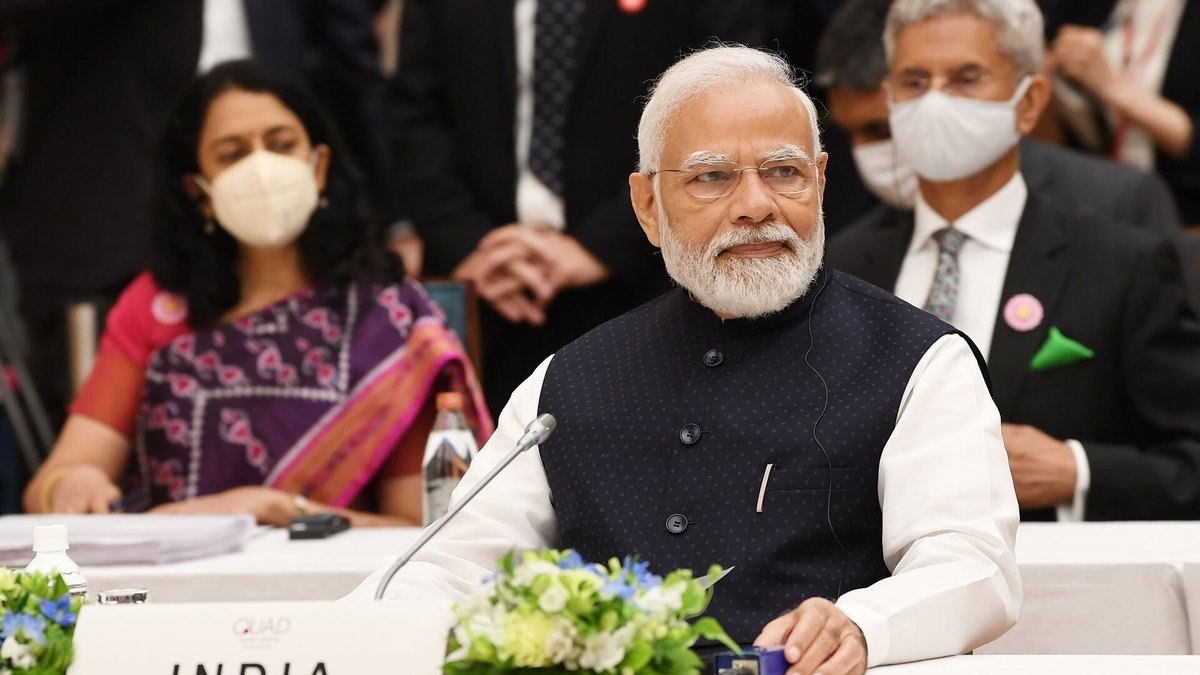
The Quadrilateral Security Dialogue, or Quad, links Australia, India, Japan and the United States. It is crucial to understand what the Quad is not: it is not a formal military alliance with binding mutual-defence commitments. Instead, it is a consultative grouping whose members cooperate on practical areas such as:
- Maritime awareness and the security of sea lanes.
- Critical and emerging technologies.
- Health, vaccines and disaster response.
- Infrastructure and supply-chain resilience.
That looser structure is deliberate. It lets four very different democracies — including India, which values its strategic independence — cooperate without the commitments a treaty alliance would require.
Economic frameworks and other arrangements
Alongside ASEAN and the Quad sits a range of economic frameworks and trade agreements designed to lower barriers, deepen supply-chain ties and set common standards. These vary widely in membership and ambition, and some overlap with one another. The common thread is an effort to knit the region’s economies more closely together — or, in some cases, to build alternatives to existing arrangements.
How to read the labels
The practical lesson is to always ask what kind of grouping you are reading about:
- Who belongs? Membership shapes whose interests it serves.
- What is it for? Security, trade, technology, or general diplomacy?
- How binding is it? A treaty alliance commits members to act; a forum merely commits them to talk.
Get those three answers and the headlines become far clearer. A ‘partnership’ that is actually a loose consultative forum cannot deliver the same things as a binding alliance — and treating the two as equivalent is one of the most common mistakes in reading Indo-Pacific news.
Why ‘Indo-Pacific’ replaced ‘Asia-Pacific’ in diplomacy
You may notice that diplomats increasingly say Indo-Pacific rather than Asia-Pacific. The shift is deliberate. ‘Indo-Pacific’ stretches the mental map to include the Indian Ocean and India itself, reflecting India’s growing economic and strategic weight and the importance of sea routes linking the two oceans. The word you choose quietly signals how you see the region’s boundaries and who belongs at its centre — which is why the term has become so common in official statements.
For the underlying economic reasons behind the region’s rising importance, see why the Asia-Pacific drives global growth.
What these groupings mean for smaller states
For smaller and middle-sized countries, the web of groupings is both an opportunity and a balancing act. Belonging to several forums lets a country pursue trade and security interests on multiple fronts and avoid depending on any single partner. At the same time, it requires careful diplomacy to maintain good relations across groupings whose members do not always agree. This is part of why ASEAN’s consensus-based ‘centrality’ is valued: it gives smaller states a seat at the table and a say in how the region’s biggest conversations unfold.
Frequently asked questions
What is the Quad?
The Quad, or Quadrilateral Security Dialogue, is a consultative grouping of Australia, India, Japan and the United States. It cooperates on areas such as maritime security, technology, health and infrastructure, but it is not a formal military alliance.
What is the difference between ASEAN and the Quad?
ASEAN is a ten-member Southeast Asian bloc that works by consensus on trade, security and diplomacy, while the Quad is a four-country consultative grouping focused on broader Indo-Pacific cooperation. They differ in membership, purpose and structure.
Is the Quad a military alliance?
No. The Quad is a consultative partnership without binding mutual-defence commitments. Its looser structure lets its members cooperate while preserving their own strategic independence.
Why are there so many Indo-Pacific groupings?
The region is vast and economically important, so countries have built overlapping forums to manage trade, security and diplomacy. Many countries belong to several at once, each serving a different purpose.
The bottom line
The Indo-Pacific’s groupings range from the consensus-driven ASEAN bloc to the looser Quad partnership and a web of economic frameworks. Each has a different membership, purpose and level of commitment. Knowing which is which — and whether a grouping can act or only talk — is the key to making sense of the region’s fast-moving diplomacy.