
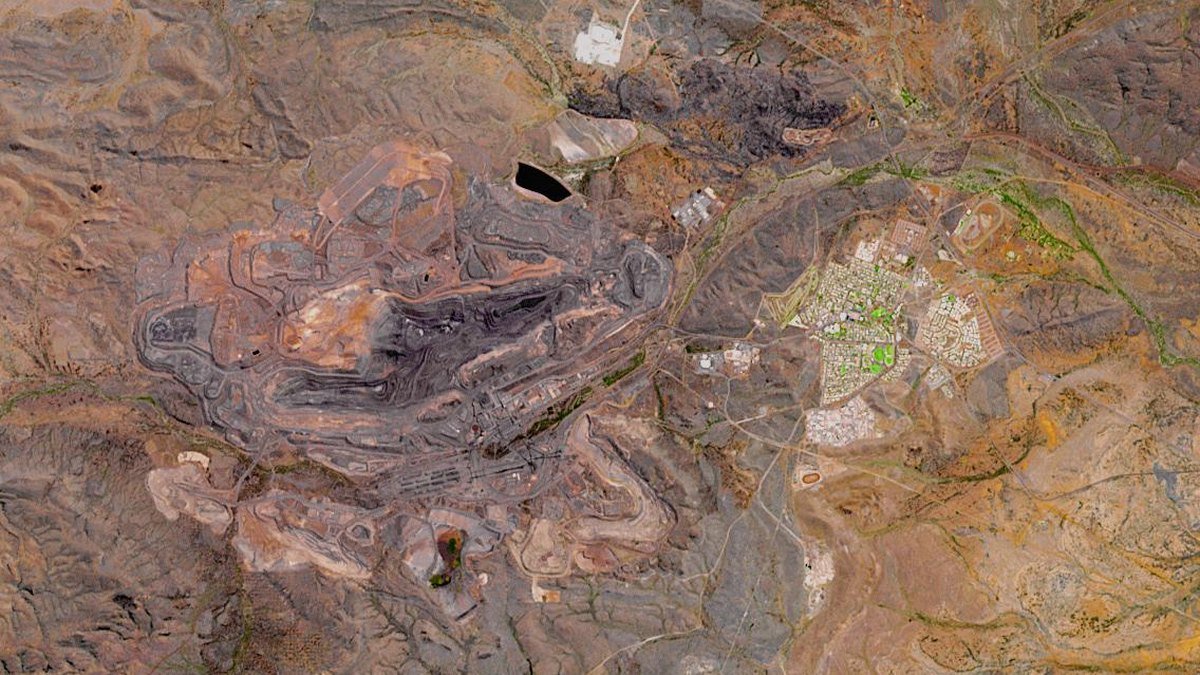
Australia has long been a mining powerhouse, shipping vast quantities of iron ore and coal to the world. Now global attention is turning to a different set of resources: the critical minerals that batteries, electric motors, wind turbines and advanced electronics require. Australia sits on significant deposits of several of them, which has turned the country into an important player in the race to secure clean-energy supply chains. This explainer covers what is in the ground, why processing matters as much as mining, and why trading partners are paying close attention.
Key takeaways
- Australia is a major producer of lithium and holds significant rare-earth potential.
- These metals are essential for batteries, magnets and clean-energy hardware.
- Historically Australia exported raw ore; policy now favours more domestic processing.
- Processing at home captures more value and offers partners an alternative supplier.
- Critical minerals have become a pillar of Australia’s economic diplomacy.
What ‘critical minerals’ means
Critical minerals are metals and elements that are essential for important technologies but whose supply is considered vulnerable — because production or processing is concentrated in a few places, or because demand is rising fast. The clean-energy transition has pushed several of them up the priority list, since they are the raw inputs for batteries, electric motors and renewable-energy equipment.
What is in the Australian ground
Australia is among the world’s largest producers of lithium, a core ingredient in the batteries that power electric vehicles and store energy on the grid. It also holds significant deposits of rare-earth elements — a group of metals used to make the powerful magnets inside electric motors and wind turbines — along with other battery and technology metals. In short, the country has a lot of what the energy transition needs.
- A major global producer of lithium for batteries and grid storage.
- Significant rare-earth potential for magnets in motors and turbines.
- Other battery and technology metals across a large, geologically rich landmass.
From digging to processing: moving up the value chain
For most of its mining history, Australia’s model was straightforward: extract the raw material and ship it abroad for others to refine into finished products. That captured only a slice of the total value. A deliberate strategic shift now aims to do more processing and refining at home — turning raw ore into higher-value battery chemicals and materials before export.
There are two motivations. The first is economic: processing captures more value and creates skilled jobs. The second is strategic: by refining critical minerals domestically, Australia can offer trading partners a dependable alternative source for supply chains they consider sensitive. It is the same logic driving Indonesia’s nickel strategy, discussed in our piece on Southeast Asia’s EV and battery boom.
Why trading partners care
Many countries are trying to reduce their reliance on any single supplier for the metals their industries depend on. A stable, resource-rich democracy with established mining expertise is an attractive partner in that effort. As a result, critical minerals have moved from a purely commercial matter to a central plank of Australia’s economic diplomacy across the Indo-Pacific, featuring in trade and security conversations with major economies.
That demand also ties Australia’s fortunes to the broader clean-energy build-out — and to the industries that consume these metals, from carmakers to the chip and electronics sector explored in why Taiwan and South Korea dominate semiconductors.
The challenges ahead
Turning potential into a thriving processing industry is not automatic. Refining critical minerals is capital-intensive and technically demanding, must meet high environmental standards, and has to compete with established processors elsewhere that enjoy scale and lower costs. Commodity prices can also swing sharply, making long-term investment decisions harder. How Australia manages those hurdles will determine whether it becomes merely a supplier of raw materials or a genuine hub for the metals of the energy transition.
How critical minerals fit the clean-energy transition
The link between Australia’s minerals and the clean-energy transition is direct. Lithium goes into the batteries that power electric vehicles and store renewable electricity; rare-earth elements are used in the powerful magnets inside electric motors and wind turbines; and other metals feed into solar panels, grids and electronics. As the world builds more of this hardware, demand for the underlying materials rises — which is what has moved these once-obscure commodities to the centre of economic strategy.
This also ties Australia’s fortunes to the EV supply chains forming to its north, including the manufacturing hubs described in Southeast Asia’s EV and battery boom.
The environmental and community dimension
Mining and processing critical minerals is not without trade-offs. Refining can be energy- and water-intensive and must be managed carefully to limit environmental harm, and projects need to engage with local and Indigenous communities whose land and interests are affected. Increasingly, trading partners and customers also want assurance that the minerals they buy are produced to high environmental and labour standards. Meeting those expectations is becoming part of the competitive offer — a way for a stable, well-regulated producer to stand out, rather than simply a cost.
Frequently asked questions
What are critical minerals?
Critical minerals are metals and elements essential for key technologies — such as batteries, magnets and electronics — whose supply is considered vulnerable because production or processing is concentrated or demand is rising quickly.
Why is Australia important for the energy transition?
Australia is a major producer of lithium and holds significant rare-earth and other battery-metal deposits, which are essential inputs for electric vehicles, grid storage and clean-energy hardware.
Why does Australia want to process minerals at home?
Processing captures more economic value and creates skilled jobs, and it lets Australia offer trading partners a reliable alternative source for supply chains they consider strategically sensitive.
Why do other countries see Australia as a key minerals partner?
Many countries want to reduce reliance on a single supplier for critical minerals, and Australia’s stability, resources and mining expertise make it an attractive and dependable partner.
The bottom line
Australia’s critical minerals have turned an old mining nation into a central player in the clean-energy race. By moving from simply digging up ore toward processing it at home, the country aims to capture more value and become a trusted supplier of the metals the world needs — making critical minerals a cornerstone of its economic strategy in the Indo-Pacific.
1 thought on “Australia’s critical minerals and the race for clean-energy metals”