
Key takeaways
- Commodities are raw materials such as energy, metals and agricultural products that economies depend on.
- The Asia-Pacific is both a huge consumer of commodities and, in parts, a major producer.
- Commodity prices are set by global supply and demand and can swing sharply.
- Energy, industrial metals and food each play a distinct role in the region’s economy.
- Because many commodities are imported, prices affect inflation, trade and industry across Asia.
Commodities are the raw materials that power economies, from the oil that fuels transport to the metals in buildings and the grain that feeds populations. The Asia-Pacific sits at the centre of global commodity markets, both as a vast consumer of these resources and, in some cases, as a major producer. Understanding commodities helps explain much of the region’s trade and industrial activity.
Commodity prices influence everything from factory costs to the price of food on the shelf. For readers following Asian markets, a grasp of how these raw materials are produced, traded and priced is essential.
What commodities are
Commodities are basic goods used as the building blocks of the economy. What distinguishes them is that one unit is essentially interchangeable with another of the same type and grade, no matter who produced it. This uniformity allows them to be traded in large volumes on global markets where buyers and sellers agree prices.
They are usually grouped into broad families: energy, such as oil and gas; metals, including both industrial and precious metals; and agricultural products, such as grains and soft commodities. Each family behaves differently, but all are shaped by the balance of global supply and demand.
Asia’s dual role
The Asia-Pacific holds an unusual position in commodity markets because it is both an enormous consumer and, in places, a significant producer. The region’s large populations, fast-growing industries and expanding cities create huge demand for energy, raw materials and food.
At the same time, parts of the region are rich in resources. Some economies export energy, minerals or agricultural goods, while others rely heavily on imports. This mix means commodity prices affect different Asian economies in opposite ways: a price rise can benefit an exporter while squeezing an importer. The region’s appetite for raw materials is closely tied to broader themes explored in our piece on why the Asia-Pacific drives global growth.
Energy: the lifeblood of growth
Energy commodities, led by oil and gas, are central to the region’s development. They fuel transport, power factories and generate electricity. Because many Asian economies import a large share of their energy, they are sensitive to swings in global prices.
When energy prices rise, costs increase across the economy, from manufacturing to shipping, and can feed into wider inflation. This is why energy security, ensuring a steady and affordable supply, is a priority for many governments in the region. Efforts to diversify energy sources and improve efficiency are partly a response to this exposure.
Metals: building the region
Metals are essential to construction, manufacturing and technology, and Asia’s demand for them is immense. It helps to separate two broad groups.
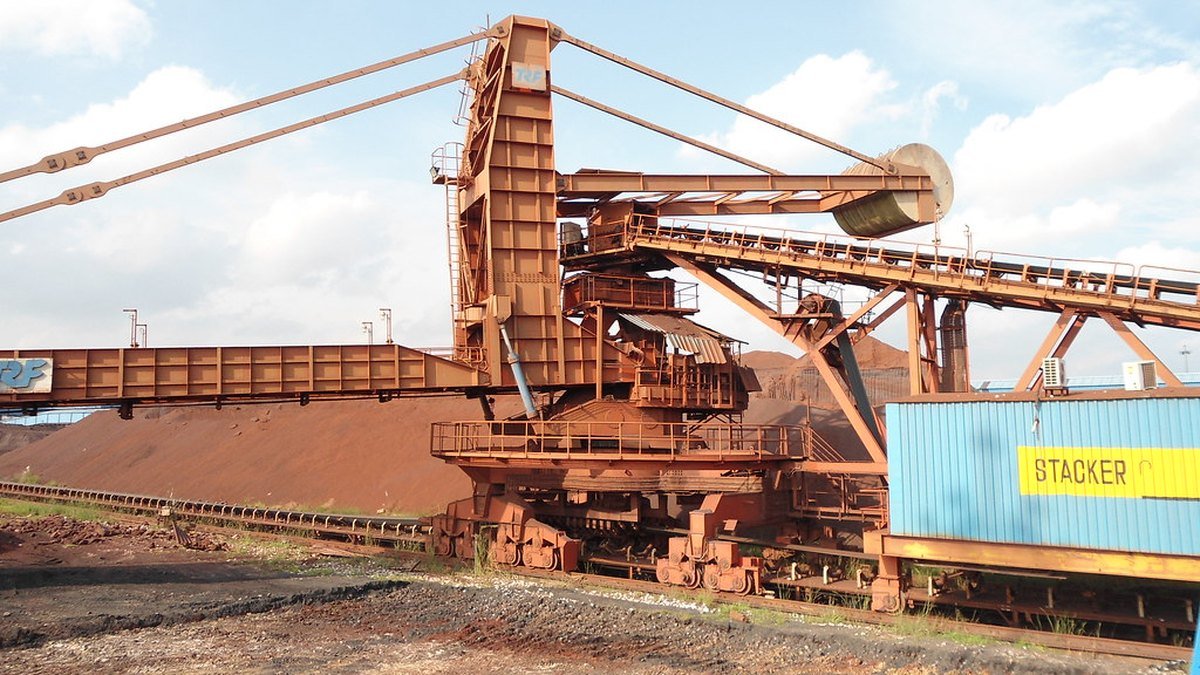
- Industrial metals: materials such as iron ore, used to make steel, along with copper and aluminium. These are vital for buildings, infrastructure, vehicles and machinery, so demand tends to rise and fall with construction and industrial activity.
- Precious metals: materials such as gold, valued both for use in products and as a store of value. In uncertain times, some investors turn to them as a safe haven.
The region’s heavy use of industrial metals means that its construction and manufacturing cycles can influence global prices. Several economies are also important suppliers, linking their fortunes to global demand, a theme touched on in our explainer on critical minerals.
Agriculture: feeding and trading
Agricultural commodities include staple grains, edible oils and a range of soft commodities. With large populations to feed, the Asia-Pacific is a major market for food, and food prices carry real social and political weight because they affect households directly.
Here too the region plays both roles. Some economies are significant agricultural producers and exporters, while others depend on imports to meet their needs. Weather, harvests and trade conditions can move agricultural prices, and because food is a basic necessity, these swings are watched closely by governments and consumers alike.
How commodity prices are set
Commodity prices are driven mainly by the balance between supply and demand. Supply can be affected by production levels, weather, extraction costs and transport, while demand reflects economic growth, industrial activity and population needs. Because supply often cannot adjust quickly, prices can swing sharply when conditions change.
These price movements ripple widely. Higher commodity costs can raise prices for businesses and consumers, feeding into inflation, while lower prices can ease costs but hurt producers. For an import-reliant economy, a surge in commodity prices can widen its trade gap and pressure its currency.
Why it matters for markets
For anyone following Asia-Pacific markets, commodities are impossible to ignore. They sit at the base of supply chains, shape the cost of living and influence the fortunes of entire industries and economies. The region’s demand helps set global prices, and its producers are tied to the ups and downs of world markets.
Understanding commodities, from the oil that moves goods to the metals that build cities and the grain that feeds people, offers a window into how the Asia-Pacific economy actually functions. These raw materials are the quiet foundation on which so much of the region’s growth and daily life depends.
How commodities are traded
Commodities are bought and sold in several ways. Much trade happens directly between producers and large buyers under long-term supply agreements, which give both sides some certainty over volumes and prices. Alongside these deals sit open markets where standardised contracts for a given commodity are traded, allowing prices to be discovered and risks to be managed.
One important feature of commodity markets is the ability to agree a price now for delivery later. This lets a producer lock in a sale and a buyer secure supply, helping both plan ahead despite uncertain future prices. Shipping, storage and insurance all add to the final cost, which is why the price of a raw material at its source can differ markedly from its price once it reaches a distant market.
The link to currencies and inflation
Because many commodities are priced and traded internationally, their cost is closely tied to currencies and to inflation. For an economy that imports much of its energy or food, a rise in global prices or a weaker currency can push up costs across the board. This connection is one reason commodity markets are watched so carefully by policymakers throughout the region.
Frequently asked questions
What are commodities?
Commodities are basic raw materials such as oil, metals and agricultural goods, where one unit is interchangeable with another of the same grade, allowing them to be traded in large volumes on global markets.
Why are commodities so important to Asia?
The Asia-Pacific is both a huge consumer of energy, metals and food and, in parts, a major producer, so commodity prices strongly affect its industries, trade, inflation and daily life.
What drives commodity prices?
Prices are set mainly by the balance of global supply and demand. Because supply often cannot adjust quickly, prices can swing sharply when production, weather or economic conditions change.
How do commodity prices affect ordinary people?
They feed into the cost of fuel, goods and food. Rising commodity prices can push up inflation and living costs, while falling prices can ease costs but hurt producers and exporting economies.