
Key takeaways
- Japan built its manufacturing strength on quality, reliability and continuous improvement.
- Famous management methods focused on reducing waste and building quality into each step.
- Cars, electronics, machinery and precision components anchored its export success.
- Close ties between manufacturers and suppliers supported efficiency and consistency.
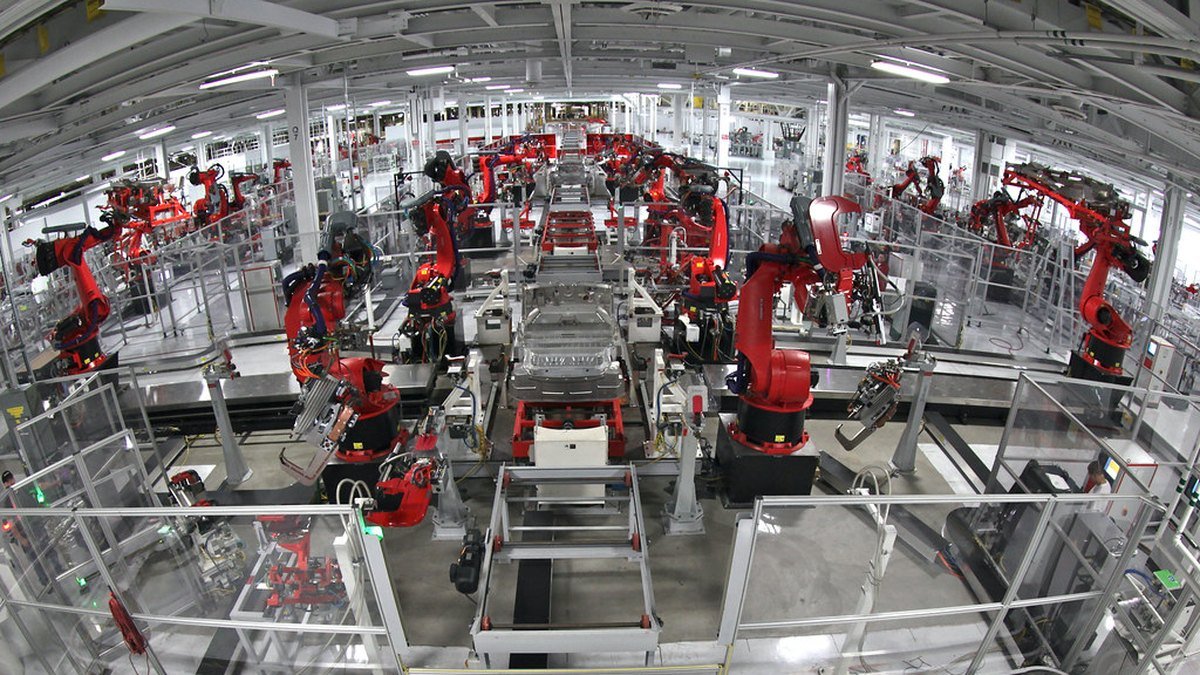
- Automation and skilled workers helped sustain competitiveness over time.
Japan became a global manufacturing leader by combining disciplined quality, steady innovation and a culture of continuous improvement across its factories. Within a few generations, the country turned from a rebuilding post-war economy into a byword for reliable, high-precision goods sold around the world.
This explainer looks at how Japanese manufacturing earned its reputation, the methods that set it apart, and the industries that carried its products to global markets. The story is less about a single breakthrough and more about systems applied consistently over decades.
From rebuilding to global reputation
In the decades after the mid-twentieth century, Japan rebuilt its industrial base and gradually shifted from making lower-cost goods to producing items prized for quality and precision. Early on, exported products competed largely on price, but manufacturers increasingly focused on durability, fit and finish. Over time, the label of Japanese origin came to signal dependability in markets worldwide.
This shift was deliberate. Companies invested in training, equipment and methods that raised standards year after year, and they treated quality not as a final inspection step but as something built into every stage of production.
Quality and continuous improvement
A defining feature of Japanese manufacturing is a strong focus on quality management. Rather than catching defects at the end of a line, factories aimed to prevent them from occurring at all. Workers at every level were encouraged to identify problems, suggest fixes and refine processes.
This philosophy of steady, incremental improvement became widely associated with Japanese industry and was later studied and adopted around the world. The core idea is simple: many small, consistent gains compound into a large advantage in reliability and cost over time.
Lean production
Closely linked is the idea of lean production, which seeks to remove waste from manufacturing. Waste can mean excess inventory, unnecessary movement, waiting time or defects. By streamlining flow and producing closer to actual demand, factories reduced costs and responded more quickly to what customers wanted.
- Building quality into each step rather than inspecting it in later.
- Reducing excess inventory and producing to demand.
- Empowering workers to improve their own processes.
- Standardising work so improvements can be shared and repeated.
The industries that led the way
Several sectors became flagships of Japanese manufacturing and helped carry its reputation abroad.
Automobiles
Carmaking is perhaps the most visible example. Japanese vehicles earned a global following for reliability and fuel efficiency, and the production methods behind them were studied by rivals everywhere. The sector also pushed advances in assembly, supplier coordination and later in hybrid and electric technologies.
Electronics and precision goods
Consumer electronics, cameras, office equipment and household appliances spread Japanese brands into homes across the world. Alongside finished products, the country became a key maker of precision components, materials and machinery that other manufacturers rely on, including parts central to the global technology supply chain.
Machinery and robotics
Japan also became a leading producer of industrial machinery and robots. These tools not only served export markets but also powered Japan’s own factories, helping maintain output and quality even as the domestic workforce aged.
How companies and suppliers worked together
Another ingredient was the close relationship between large manufacturers and their networks of suppliers. Rather than switching constantly between vendors on price alone, companies often built long-term partnerships. Suppliers were brought into design discussions, held to high standards and supported in improving their own processes.
These tight networks allowed just-in-time delivery, consistent component quality and faster problem-solving. They did, however, require careful coordination, and the same interdependence can spread disruption quickly when a key supplier is affected.
Many of these suppliers are small and medium-sized firms, some highly specialised in a single part or process. Their accumulated know-how, often refined over decades, is a quiet but essential ingredient in the reputation of the finished goods. This dense web of specialist makers is one reason the manufacturing base has proved difficult for other countries to copy wholesale, even when individual products can be matched.
People, skills and workplace culture
Technology and methods only work with capable people behind them. Japanese manufacturing has been associated with strong workforce training, teamwork and a sense of shared responsibility for quality. Long tenures at a single company, in many cases, encouraged deep expertise and the passing of knowledge between generations of workers.
This culture supported the continuous-improvement mindset, because employees who understood the whole process were well placed to spot inefficiencies and suggest practical fixes.
Staying competitive over time
Global manufacturing is intensely competitive, and Japan has faced strong challenges from other economies that built their own industrial strengths. In response, Japanese manufacturers have leaned further into automation, high-value precision products and advanced materials, where quality and expertise matter most.
They have also had to adapt to a changing home economy, including an ageing workforce and rising labour costs. This has encouraged greater use of robotics on the factory floor and a focus on products where deep technical knowledge, rather than sheer scale or low cost, provides the decisive advantage. The emphasis on precision and reliability that built the sector’s reputation remains the guiding principle.
The broader regional picture also matters, as production networks now stretch across many countries. For related context, see our look at why Taiwan and Korea dominate semiconductors, a reminder of how specialised manufacturing clusters shape global supply chains.
Lessons that spread worldwide
Perhaps the most lasting impact of Japanese manufacturing is the influence of its methods. Ideas about quality, waste reduction and continuous improvement are now taught and applied in factories, hospitals and offices far beyond Japan. The country’s rise shows how disciplined systems, patient investment and a relentless focus on doing things a little better each time can turn modest beginnings into a position of global leadership.
Frequently asked questions
What made Japanese manufacturing stand out?
A consistent focus on quality, reliability and continuous improvement, with defects prevented during production rather than caught only at the end.
Which industries built Japan’s reputation?
Automobiles, consumer electronics, precision components, industrial machinery and robotics were among the most influential sectors.
What is lean production?
A set of practices aimed at removing waste from manufacturing, such as excess inventory or waiting time, so factories produce efficiently and closer to real demand.
How does Japan stay competitive today?
By emphasising automation, high-value precision products and advanced materials, where deep expertise and quality provide an edge over lower-cost rivals.