
Key takeaways
- Vietnam’s appeal rests on natural landscapes, historic cities, beaches and a world-renowned cuisine.
- Tourism supports jobs across hospitality, transport, retail and handicrafts, especially in popular regions.
- The country spans distinct zones, from northern highlands and bays to central heritage towns and the southern delta.
- Visitor-friendly policies, improved connectivity and a reputation for value have widened its reach.
- Managing crowding, seasonality and environmental impact is central to keeping the sector sustainable.
Vietnam’s tourism industry has grown into one of the country’s most visible economic sectors, drawing travellers with a long coastline, dramatic limestone seascapes, historic cities and a celebrated food culture. From the bays of the north to the deltas of the south, the country packs a striking variety of experiences into a single journey.
This explainer looks at what attracts visitors, how the sector is organised, and the opportunities and pressures that come with welcoming large numbers of travellers.
What draws visitors to Vietnam
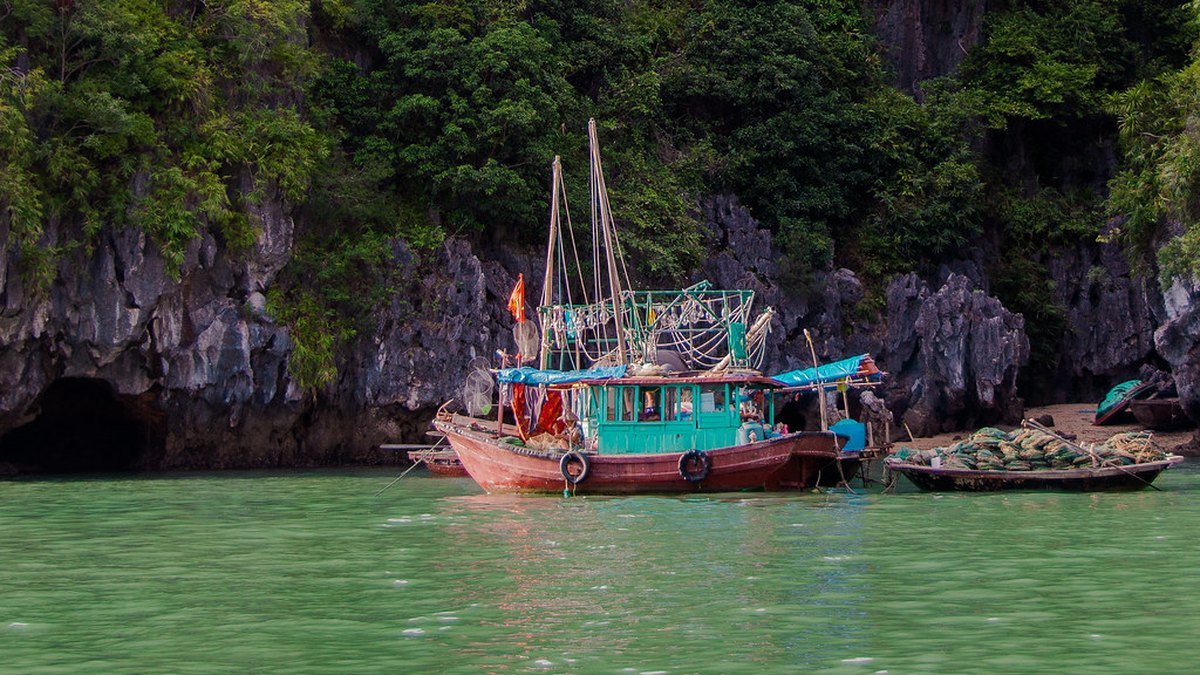
The foundation of Vietnam’s tourism is geography. A long, curving coastline provides beaches and islands, while inland areas offer mountains, forests, rivers and terraced farmland. The northern seascapes of towering limestone karsts rising from calm water are among the most photographed scenes in the region, and the fertile southern delta presents a watery landscape of markets and channels.
Culture adds depth to the scenery. Historic quarters, temples, pagodas and colonial-era architecture give cities a distinctive character, and festivals, crafts and local markets offer visitors a window into everyday life.
The country’s long and layered history is also part of the draw. Sites linked to trade, dynasties and more recent conflict give context to what travellers see, and many visitors come specifically to understand that past through museums, memorials and preserved towns.
A country of distinct regions
Vietnam is long and narrow, and travellers often think of it in three broad parts. The north combines the capital’s old streets with mountainous areas and famous bays. The centre is known for heritage towns, imperial sites and beach resorts. The south centres on the country’s largest commercial city and the surrounding delta.
Because each region has its own climate, landscape and cuisine, many itineraries run the length of the country, using domestic flights, trains and buses to link the highlights. This variety is a key selling point for longer trips.
Food as a destination in itself
Few countries are as closely associated with their cuisine. Vietnamese cooking is prized for fresh herbs, balanced flavours, noodle soups, rice dishes, grilled meats and street-food culture. Markets, pavement stalls and family-run eateries are as much a part of the experience as formal restaurants.
Culinary tourism, including cooking classes and food-focused walking tours, has become a draw in its own right, encouraging visitors to explore neighbourhoods beyond the usual landmarks.
Regional variety extends to the plate as well. Dishes change noticeably from north to south, reflecting local ingredients and traditions, so travelling the country doubles as a way to taste its diversity. Coffee culture, too, has become something visitors seek out, with distinctive local styles served everywhere from pavement stools to modern cafes.
How the sector is organised
Tourism in Vietnam spans a wide range of businesses, from international hotel groups and resorts to small guesthouses, tour operators, transport providers, guides and craft sellers. The sector creates employment well beyond the hotels themselves, supporting drivers, cooks, artisans and market traders.
Infrastructure has expanded to meet demand, with airports, roads and hospitality capacity growing in and around the most popular destinations. Improvements in connectivity, both international flights and domestic links, have made multi-region trips easier to plan.
Policies that shape visitor flows
Governments influence tourism through visa rules, marketing campaigns and investment in sites and infrastructure. Visitor-friendly entry policies and promotion of the country’s image abroad tend to widen the range of travellers who come, while investment in heritage protection and transport keeps attractions accessible.
Vietnam has built a reputation for offering good value, which appeals to budget-conscious travellers while higher-end resorts cater to those seeking comfort. This spread across price points broadens the overall market.
Managing the pressures of popularity
Success brings challenges familiar to many popular destinations. Crowding at the best-known sites can strain local resources and diminish the experience. Seasonal peaks concentrate demand, and heavy footfall can threaten fragile natural and cultural sites.
Sustainability has therefore become a central theme. Approaches include spreading visitors to lesser-known areas, managing numbers at sensitive locations, encouraging responsible behaviour and investing in conservation. Balancing economic benefit with protection of the landscapes and heritage that attract people in the first place is an ongoing task.
Community-based and rural tourism are often promoted as part of the answer, letting villages and smaller towns share in the income while giving travellers a quieter, more authentic experience. Directing some of the benefits of tourism towards the places that host it helps build local support for conservation.
Why tourism matters to the wider economy
Beyond its cultural value, tourism is an important source of income and jobs, particularly in regions with fewer industrial options. It brings in foreign spending, supports small businesses and incentivises the preservation of historic sites and natural areas.
As part of the broader Asia-Pacific travel market, Vietnam’s trajectory reflects the region’s rising appeal, a theme explored in our piece on why the Asia-Pacific drives global growth. For visitors, the enduring draw is simple: a country where striking scenery, deep history and memorable food sit within easy reach of one another.
Frequently asked questions
What is Vietnam best known for among travellers?
It is best known for dramatic limestone seascapes, a long coastline with beaches, historic cities and quarters, terraced farmland and a celebrated street-food culture.
How is travel usually structured around the country?
Because Vietnam is long and narrow, many travellers divide it into north, centre and south, linking the regions by domestic flights, trains and buses to take in the different landscapes and cuisines.
Why is food such a big part of the appeal?
Vietnamese cuisine is widely admired for its fresh ingredients, balanced flavours and street-food traditions, and activities such as cooking classes and food tours have become attractions in their own right.
What are the main challenges facing tourism there?
Key challenges include crowding at popular sites, seasonal peaks in demand and environmental pressure, which is why sustainable approaches such as spreading visitors and protecting sensitive areas have grown in importance.