
Key takeaways
- Vietnam runs a socialist-oriented market economy that opened up through the Doi Moi reforms begun in the late 1980s.
- Manufacturing and exports, especially electronics, textiles, footwear and increasingly higher-value goods, drive much of its growth.
- A young, comparatively low-cost and increasingly skilled workforce underpins its appeal to foreign investors.
- Membership of ASEAN and a web of free trade agreements has widened access to major markets.
- Rapid urbanisation, infrastructure investment and a growing middle class are reshaping domestic demand.
Vietnam’s economy is one of the most closely watched stories in the Asia-Pacific region, having shifted within a generation from a largely agrarian, centrally planned system to an open, manufacturing-driven and export-oriented market. Today it combines a young workforce, deep integration into global supply chains and steady urbanisation.
Understanding how the country reached this point helps explain why so many international firms treat it as a key production and sourcing base, and why its growth is often discussed alongside the wider forces shaping the region.
From central planning to market reform
For much of the twentieth century Vietnam operated a centrally planned economy in which the state set production targets and controlled most enterprise. Growth was constrained and shortages were common. In the late 1980s the country launched a programme of reforms, widely known as Doi Moi or renovation, that gradually introduced market mechanisms, private enterprise and openness to foreign trade and investment.
Rather than abandoning state direction entirely, Vietnam adopted what it calls a socialist-oriented market economy. Private businesses and foreign firms operate alongside state-owned enterprises, while the government retains a strong role in planning, infrastructure and strategic sectors. This blended approach has defined the economy ever since.
The reforms also changed how land and farming were organised, giving households greater freedom to produce and sell. The early gains in agriculture helped build confidence in the wider programme and freed resources that could later flow into industry and services.
A manufacturing and export engine
The clearest driver of Vietnam’s rise has been manufacturing for export. Firms set up assembly and production lines to serve global brands, starting with labour-intensive goods such as garments, textiles and footwear and expanding into electronics, components and assembled devices. Over time the country has moved up the value chain, handling more complex products and processes.
This export orientation ties Vietnam tightly to international demand and to the health of global supply chains. When manufacturers look to diversify where they produce, Vietnam is frequently among the destinations considered, a trend that has reinforced its industrial base.
Why foreign investors look to Vietnam
Several features make the country attractive to foreign direct investment. Its workforce is comparatively young, its labour costs have historically been competitive, and its coastline offers access to busy shipping routes. The government has courted investment through industrial parks, special economic zones and incentives aimed at export producers.
Investment has not only created jobs but also transferred skills and technology, helping local suppliers develop. Policymakers increasingly emphasise training and education so that workers can take on higher-value tasks rather than only basic assembly.
Trade agreements and regional integration
Vietnam has pursued integration with unusual energy. It is a member of the Association of Southeast Asian Nations and of the World Trade Organization, and it has signed a range of free trade agreements spanning the Asia-Pacific and Europe. These deals lower tariffs and give exporters wider, more predictable access to large consumer markets.
Regional integration also shapes finance and payments across Southeast Asia, part of broader efforts you can read about in our explainer on ASEAN local-currency settlement. For Vietnam, openness has been both a growth strategy and a way to anchor reforms.
The domestic economy and a rising middle class
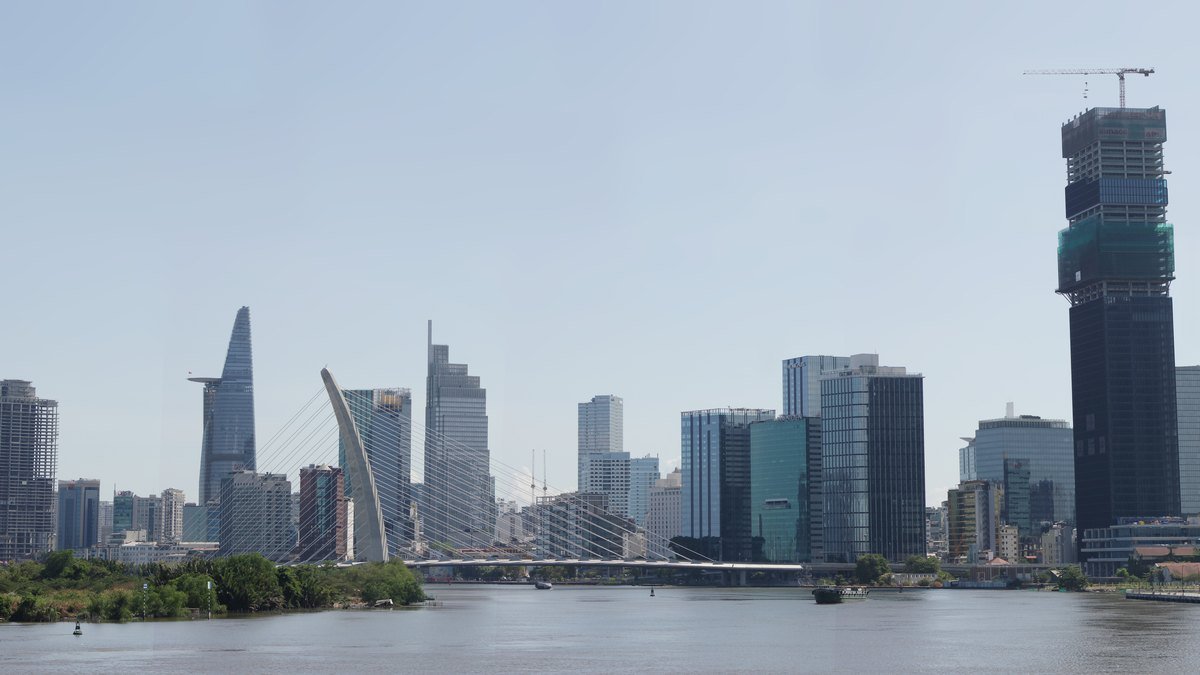
While exports grab headlines, the domestic side of the economy is expanding too. Urbanisation is drawing people into cities, where incomes tend to be higher and spending on housing, retail, services and leisure grows. A larger middle class supports consumer brands, financial services and digital commerce.
Agriculture remains important, particularly in rural areas, but its share of output has declined relative to industry and services. This structural shift is typical of economies moving from early industrialisation towards a more diversified base.
Challenges and balancing acts
Rapid growth brings pressures. Infrastructure such as roads, ports and power supply must keep pace with industrial demand. Dependence on exports exposes the economy to swings in global appetite. Environmental strain, urban congestion and the need to keep upgrading workers’ skills are recurring themes in policy debates.
There is also the longer-term question of avoiding the so-called middle-income trap, in which an economy stalls after easy gains from cheap labour fade. Moving into higher-value industries, strengthening education and improving productivity are widely seen as the route to sustaining progress.
Managing these transitions while keeping public finances and prices stable is a constant balancing act. Policymakers must weigh the benefits of rapid investment against the risk of overheating, and the pull of foreign demand against the need to broaden the domestic base so the economy is less exposed to any single market.
How to read Vietnam’s trajectory
Vietnam is best understood as an economy in transition: still industrialising, still opening, and still building the institutions and infrastructure that mature economies rely on. Its blend of state direction and market activity, its outward-facing trade policy and its youthful population give it momentum, while the challenges above set the agenda for policymakers.
For observers across the Asia-Pacific, it is a case study in how reform, trade and investment can combine to transform a national economy over a few decades, part of the wider dynamism explored in why the Asia-Pacific drives global growth.
Frequently asked questions
What kind of economy does Vietnam have?
Vietnam describes itself as a socialist-oriented market economy. Private and foreign businesses operate alongside state-owned enterprises, while the government keeps a strong role in planning, infrastructure and strategic sectors.
What were the Doi Moi reforms?
Doi Moi, meaning renovation, refers to reforms begun in the late 1980s that introduced market mechanisms, allowed private enterprise and opened the country to foreign trade and investment, moving away from strict central planning.
What does Vietnam mainly export?
Its exports are led by manufactured goods such as electronics and components, textiles, garments and footwear, alongside agricultural products. Over time the mix has shifted towards more complex, higher-value items.
Why do foreign companies invest in Vietnam?
Common reasons include a young and competitively priced workforce, access to shipping routes, membership of many trade agreements, and government incentives such as industrial parks and special economic zones aimed at exporters.