
Key takeaways
- Tourism is a leading earner of foreign exchange and a major source of jobs in Vanuatu.
- Visitors arrive both by cruise ship and by air, with activity concentrated near the capital.
- Diving, volcanoes, beaches and living culture are the sector’s headline attractions.
- The industry is highly sensitive to cyclones, global travel trends and source-market conditions.
- Sustainable, community-based tourism is a growing focus for spreading benefits to outer islands.
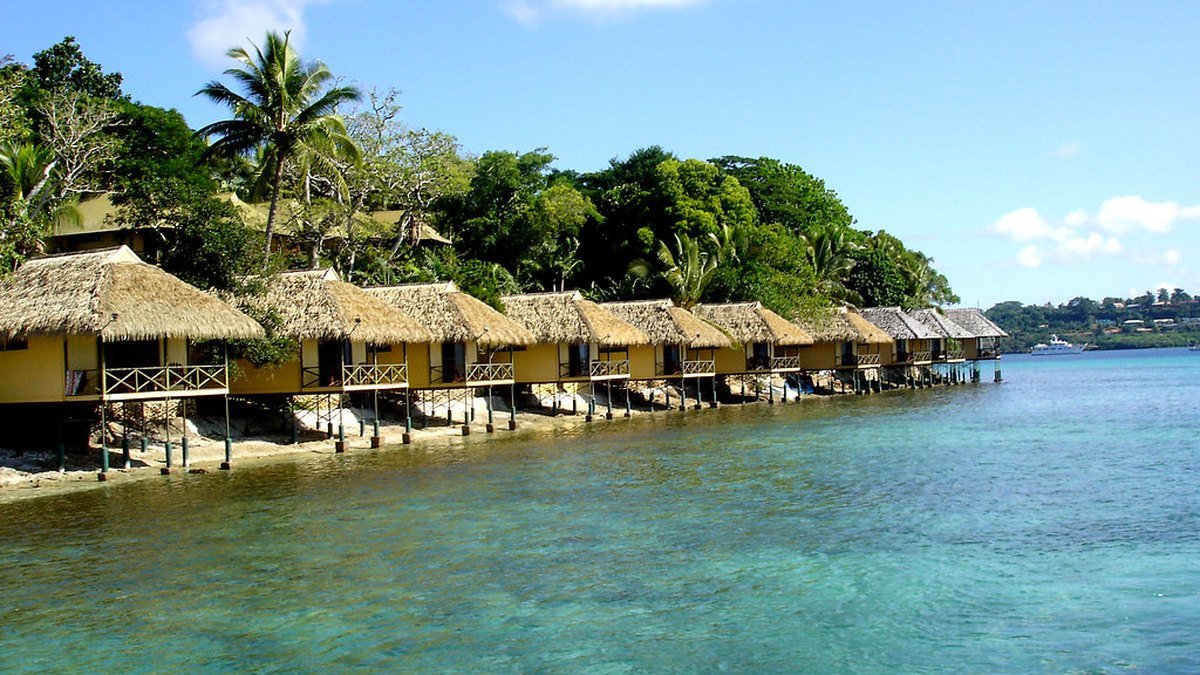
Vanuatu’s tourism industry is one of the archipelago’s most visible economic engines, bringing outside spending into island communities and shaping the way the nation presents itself to the world. Visitors come for turquoise lagoons and reefs, but also for active volcanoes, wartime shipwrecks and a culture that remains strongly rooted in custom.
For a small South Pacific nation, tourism offers both opportunity and exposure. It earns valuable foreign currency and creates jobs, yet it rises and falls with the weather, global travel conditions and the fortunes of distant source markets.
Why travellers choose Vanuatu
Vanuatu’s appeal rests on variety packed into a compact archipelago. The warm tropical climate, clear lagoons and coral reefs provide the classic Pacific-island draw, while the country’s volcanic geology adds something rarer: the chance to stand close to an active crater. Add a strong living culture, with custom villages, dance and craft, and the result is a destination that offers more than a beach holiday.
This mix lets Vanuatu appeal to several kinds of traveller at once, from cruise passengers seeking a short, easy stop to adventurous independent visitors willing to reach outer islands for diving, hiking and cultural immersion. Because the attractions are natural and cultural rather than manufactured, the destination tends to appeal to people looking for an experience that feels genuine rather than packaged, which shapes how it is marketed abroad.
How visitors arrive
Arrivals come through two main channels. Air travellers fly in and tend to stay longer, spreading their spending across accommodation, meals, tours and transport. Cruise passengers arrive in larger numbers but for shorter visits, concentrating their spending on day excursions, markets and handicrafts.
The balance between these channels matters for how tourism money flows. Longer-staying air visitors generally deliver more per head to hotels and operators, while cruise calls can deliver bursts of foot traffic to markets and tour providers. Both depend on reliable transport links, which can be a constraint for a remote island nation.
Signature experiences
Several experiences have become emblematic of Vanuatu. Diving is a major pull, with coral reefs and one of the Pacific’s most celebrated wreck dives drawing enthusiasts from around the world. Volcano tourism is another signature, giving visitors a rare, accessible view of an active volcano. Beyond these, cultural tourism lets travellers witness custom ceremonies and traditional practices that remain part of community life rather than staged purely for show.
These attractions are spread across different islands, so itineraries often combine a stay near the capital with excursions further afield, encouraging visitors to travel within the archipelago.
Where the industry is concentrated
Much of the formal tourism sector clusters around the capital on the main island, where most hotels, restaurants and tour operators are based and where international flights and cruise ships arrive. This concentration makes sense logistically, but it also means the economic benefits of tourism are unevenly distributed, with outer islands capturing a smaller share despite their natural and cultural appeal.
Extending tourism beyond the main centres is therefore a recurring goal, both to raise rural incomes and to ease pressure on the busiest sites. Doing so depends heavily on inter-island transport and accommodation, which remain limited in many places, so progress tends to be gradual rather than rapid.
The economic weight of tourism
Tourism is one of Vanuatu’s most important sources of foreign exchange and a significant employer, supporting work in hospitality, transport, guiding, retail and handicrafts. Because it channels outside money relatively directly into local hands, it is central to development thinking in a country with few large industries. The sector’s health is closely watched as a barometer of the wider economy.
Vanuatu’s experience echoes that of other small Pacific and Asian economies that lean on visitor spending, part of the broader pattern explored in why the Asia-Pacific drives global growth.
Risks and resilience
Tourism’s great strength is also its weakness: it is exposed to forces beyond the country’s control. Tropical cyclones can damage resorts and disrupt flights during the wet season, while global travel conditions and the economic health of source markets influence how many people book a trip. A single severe event or downturn can cut arrivals sharply, with knock-on effects for employment and government revenue.
Building resilience means diversifying source markets, improving disaster preparedness so operators can reopen quickly, and investing in infrastructure that keeps the destination accessible and attractive.
Towards sustainable tourism
Looking ahead, much of the conversation centres on sustainability. Community-based tourism, in which villages host and guide visitors on their own terms, is seen as a way to spread benefits and keep culture authentic. Protecting reefs, managing waste and limiting pressure on fragile sites help preserve the very assets that draw travellers in the first place.
For Vanuatu, the aim is a tourism industry that remains a dependable earner while respecting the environment and the communities that make the archipelago distinctive.
Frequently asked questions
What is Vanuatu best known for among tourists?
Vanuatu is known for its reefs and diving, including a famous wreck dive, as well as accessible active volcanoes, clear lagoons and a strong living culture of custom villages, dance and craft.
How do most tourists reach Vanuatu?
Visitors arrive either by air, typically staying longer and spending across accommodation and tours, or by cruise ship for shorter day visits focused on excursions, markets and handicrafts.
Why is tourism so important to Vanuatu?
It is one of the country’s leading sources of foreign exchange and a major employer, channelling outside spending relatively directly into island communities in an economy with few large industries.
What are the main risks to Vanuatu’s tourism?
The sector is highly exposed to cyclones, global travel conditions and the economic health of source markets, so arrivals and earnings can fall sharply after a severe event or downturn.