
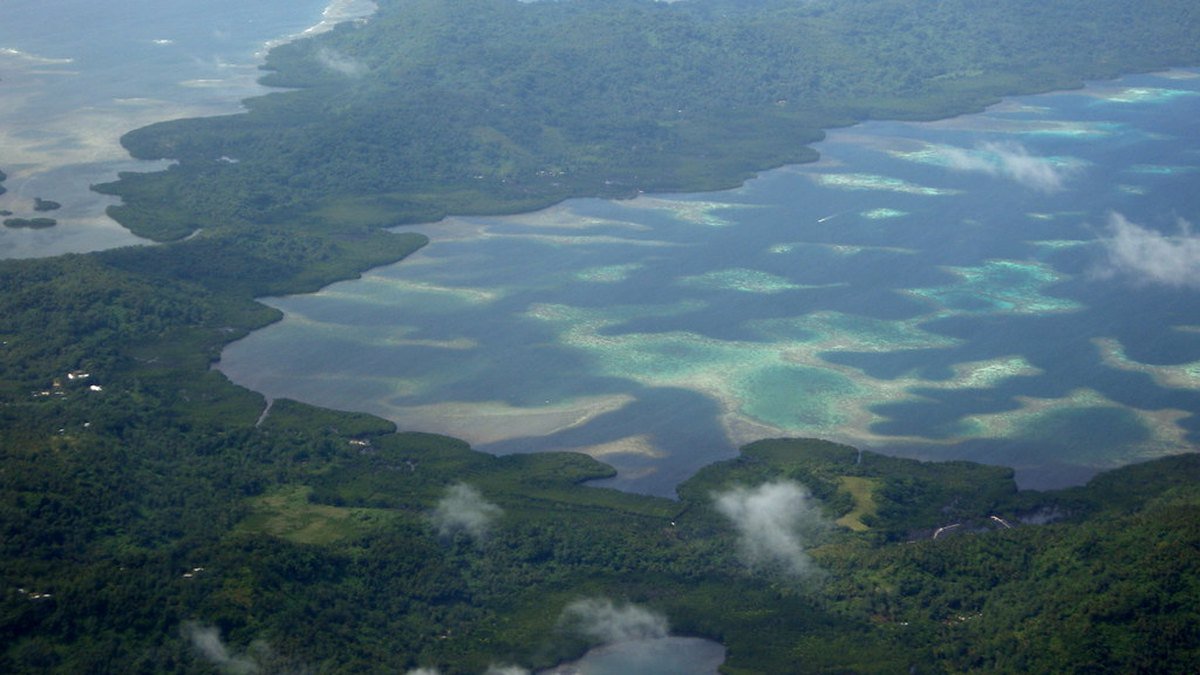
Key takeaways
- Pacific economies are small, remote and shaped by geography.
- Fisheries, especially tuna, are a key natural resource.
- Tourism is vital for several island nations.
- Aid and remittances are important external income sources.
- Climate and environmental change are central long-term concerns.
The Pacific Islands’ economies are among the smallest and most distinctive in the world, spread across thousands of islands in a vast ocean. With limited land, small populations and great distances from major markets, these nations make a living through a particular mix of fisheries, tourism, development assistance and money sent home by citizens working abroad.
This explainer sets out how Pacific economies are structured, why geography shapes them so strongly, and the challenges that come with being small and remote.
Small economies across a vast ocean
The Pacific region is made up of many independent nations and territories scattered across an enormous expanse of water. Most have small populations, limited land area and economies that are modest in global terms. Great distances from major markets raise the cost of trade and travel, and many communities are spread across multiple islands, adding to the challenge of providing services and infrastructure.
These conditions mean Pacific economies cannot easily follow the industrial path of larger neighbours. Instead, they tend to rely on natural resources, services and external inflows, with the precise mix varying widely from one country to another.
Fisheries and the ocean economy
The ocean is the region’s greatest natural asset. The waters of the Pacific hold some of the world’s most important tuna stocks, and the exclusive economic zones around island nations are vast relative to their land area.
Fishing contributes to these economies in several ways:
- Licensing fees: island governments earn revenue by allowing foreign fleets to fish in their waters under agreed arrangements.
- Processing and jobs: some countries host canning and processing facilities that add value and create employment.
- Food security: fisheries also supply local diets and small-scale livelihoods.
Managing these stocks sustainably, and ensuring island nations capture a fair share of their value, is a central regional concern.
Tourism
For several island nations, tourism is a leading industry. The region’s reputation for natural beauty, beaches, diving and culture draws visitors, and the sector supports jobs in hospitality, transport and local services.
Tourism brings valuable foreign currency, but it also carries risks. Visitor numbers can fall sharply during global disruptions, and heavy reliance on a single industry leaves some economies exposed. Infrastructure and air connectivity are important constraints on how far the sector can grow.
Aid and remittances
External inflows are a defining feature of many Pacific economies. Development assistance from larger partner countries and international institutions helps fund infrastructure, health, education and government budgets.
Remittances are also significant. Many Pacific Islanders work abroad, including under seasonal labour schemes in larger regional economies, and the money they send home supports families and local spending. For some nations, these inflows are among the largest sources of foreign income.
Why external income matters so much
With narrow domestic production bases, many Pacific nations rely on these inflows to fund imports and public services. This creates both a lifeline and a dependence, tying their fortunes partly to the policies and economies of partner countries.
Agriculture and other resources
Agriculture remains important for local livelihoods and some exports, with products such as coconut, root crops, tropical fruits, kava and timber featuring in different countries. A few nations have mineral or forestry resources that play a larger role in their economies.
Across much of the region, though, subsistence and small-scale farming remain central to everyday life, especially outside urban centres.
The challenges of being small and remote
Several themes recur across Pacific economies:
- Diseconomies of scale: small populations make it costly to provide infrastructure and services.
- Distance and connectivity: remoteness raises transport and trade costs.
- Narrow economic bases: reliance on a few industries increases vulnerability to shocks.
- Environmental exposure: low-lying islands and coastal communities are particularly sensitive to environmental and climate pressures, which bear on long-term planning.
The bigger picture
The Pacific Islands’ economies are a study in how geography shapes prosperity. With limited land but enormous ocean territory, they draw heavily on fisheries, tourism and external inflows, and they place great emphasis on managing their marine resources and environment. Their small size brings real constraints, but it also makes regional cooperation and careful stewardship of natural assets especially important. The region forms a distinctive corner of the wider Asia-Pacific economy.
Frequently asked questions
What do Pacific Island economies rely on?
Most rely on a mix of fisheries, tourism, agriculture, development assistance and remittances from citizens working abroad, with the balance varying by country.
Why are fisheries so important in the Pacific?
The region holds major tuna stocks, and island nations control vast ocean zones. Fishing provides licensing revenue, some processing jobs and food security.
How do aid and remittances support these economies?
Development assistance helps fund infrastructure and public services, while money sent home by Pacific Islanders working overseas supports families and local spending.
What challenges do Pacific economies face?
Being small and remote raises costs and narrows their economic base, while low-lying and coastal communities are especially exposed to environmental pressures.