
Key takeaways
- Japan draws visitors with a mix of culture, cuisine, scenery and a reputation for safety.
- Inbound tourism supports jobs in travel, hospitality, retail and transport.
- A weaker currency at times has made Japan more affordable for foreign visitors.
- Popular sites can face crowding, prompting interest in spreading visitors more widely.
- Balancing growth with local life and heritage is a central challenge.
Japan’s tourism boom has turned the country into one of the most sought-after travel destinations in the Asia-Pacific. Strong interest from international visitors, drawn by culture, food, scenery and safety, has made inbound tourism an increasingly important part of the economy.
This explainer sets out what lies behind the surge in visitors, how tourism supports jobs and regions, and the pressures that rapid growth can create. The picture is one of clear opportunity alongside real management challenges.
Why visitors are drawn to Japan
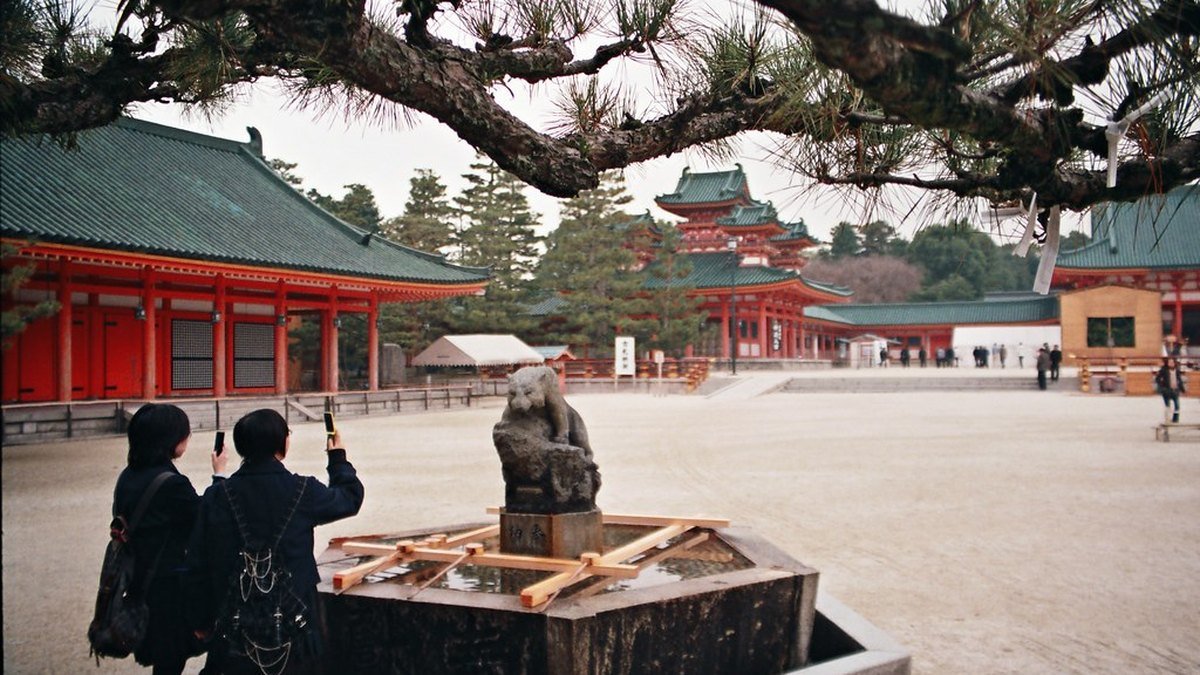
Japan offers an unusually varied experience within a compact and well-connected country. Travellers can move from dense, modern cities to quiet temples, mountain villages and coastlines, often within a single trip. This blend of the ultra-modern and the deeply traditional is a major part of the appeal.
Several specific draws come up again and again among international visitors:
- A rich cultural heritage, including temples, shrines, gardens and historic districts.
- A globally admired food culture, from refined dining to everyday street food.
- Striking natural scenery across four distinct seasons.
- A strong reputation for safety, cleanliness and efficient public transport.
Together these qualities make the country attractive to a wide range of travellers, from first-time visitors to those returning for deeper exploration.
What is driving the surge in demand
Growing interest in Japan reflects long-term and shorter-term forces. Over time, Japanese culture has gained a strong global following through food, film, animation, design and popular media, building familiarity and curiosity well before people ever visit.
Practical factors have reinforced this. Improved international connections, easier travel planning and, at various periods, a weaker Japanese currency have all made trips more accessible and affordable for foreign visitors. When the currency is relatively weak, spending by overseas tourists stretches further, which can encourage both more visits and higher spending per trip.
The role of culture and media
Exposure through films, series, games and social media helps turn distant interest into concrete travel plans. Scenes of famous landmarks, seasonal landscapes and local cuisine circulate widely, inspiring itineraries and steering visitors towards particular places and experiences.
Repeat visitors add another layer to demand. Many travellers who enjoy a first trip return to explore regions and themes they missed, from rural hot springs to regional food specialities and seasonal festivals. This pattern of return visits helps sustain interest over the long term and encourages travellers to venture beyond the most famous destinations.
How tourism supports the economy
Inbound tourism channels foreign spending into a broad set of industries. Visitors pay for accommodation, meals, transport, shopping, attractions and services, supporting employment well beyond the obvious travel sector.
Because tourism spending spreads across many small and medium-sized businesses, it can be a valuable source of income for local economies, including in regions outside the largest cities. For restaurants, guesthouses, craft makers and local transport operators, international visitors represent an important and growing market. Tourism is one of several threads in the region’s broader story of why the Asia-Pacific drives global growth.
Jobs and regional benefits
Tourism can create opportunities in areas that face economic or demographic pressures, offering work and a reason for younger residents to stay. Well-managed visitor interest can also support the upkeep of cultural sites and traditions by giving them renewed economic value.
The pressures of rapid growth
Rising visitor numbers bring challenges as well as benefits, and much of the current debate centres on managing them.
Crowding at popular sites
A relatively small number of famous destinations tend to attract a large share of visitors. This can lead to crowding at peak times, straining local infrastructure, transport and the patience of residents. Heavily visited neighbourhoods may struggle to balance tourism with everyday life.
Pressure on local communities
Concerns can include congestion, noise, litter and rising costs in popular areas. In some places, strong demand for short-term visitor accommodation can affect housing and the character of neighbourhoods. Managing these effects respectfully is an ongoing task.
Spreading the benefits more widely
A common theme in tourism planning is encouraging visitors to explore beyond the best-known hotspots. By promoting lesser-visited regions, quieter seasons and a wider range of experiences, destinations can ease crowding while sharing the economic benefits more broadly.
Approaches often discussed include improving information for travellers, supporting regional attractions, managing access to the most fragile sites and investing in transport and facilities so that growth remains sustainable.
Seasonality is part of the picture too. Visitor numbers often peak around certain times of year, such as cherry-blossom season or major holidays, concentrating pressure into short windows. Encouraging travel during quieter months can ease crowding, give businesses steadier year-round income and offer visitors a calmer, often more rewarding experience of the places they come to see.
Balancing opportunity and sustainability
Japan’s tourism boom illustrates a wider truth about modern travel: popularity is an asset that must be carefully managed. The goal for many destinations is not simply more visitors, but a healthy balance in which tourism supports the economy, respects local communities and protects the culture and landscapes that attract people in the first place.
For travellers, the lesson is to explore thoughtfully, consider quieter times and places, and treat the destinations they visit with care. Done well, tourism can be a lasting source of shared benefit rather than a strain, keeping Japan welcoming for residents and visitors alike.
Frequently asked questions
Why is Japan so popular with tourists?
It combines rich cultural heritage, celebrated food, varied scenery across four seasons and a strong reputation for safety and efficient transport, all within a compact country.
How does tourism help Japan’s economy?
Visitor spending flows into accommodation, dining, transport, retail and attractions, supporting jobs across many businesses, including in regions outside the major cities.
What problems can a tourism boom create?
Rapid growth can cause crowding at popular sites, strain local infrastructure and affect residents, which is why spreading visitors more widely is a common goal.
How can tourism be made more sustainable?
By encouraging travel to lesser-known areas and quieter seasons, managing access to fragile sites, and investing in transport and facilities to support balanced growth.