
Key takeaways
- India’s programme is led by its national space agency and is known for cost-effective missions.
- It develops its own launch vehicles to place satellites into orbit.
- Satellites support communications, weather forecasting, navigation and resource mapping.
- The programme has undertaken missions beyond Earth orbit.
- A growing private space sector is emerging alongside the public agency.
India’s space programme has earned a reputation for achieving a great deal at relatively low cost, from launching satellites to sending missions beyond Earth. It is run primarily through the country’s national space agency and has grown into one of the more capable programmes in the world.
Beyond the headline missions, much of its value lies closer to home, in the satellites that support communications, weather forecasting, navigation and the management of land and water across a vast country.
How the programme is organised
India’s space effort is led by its national space agency, which designs and builds rockets and satellites, operates launch facilities and runs the ground stations that track and control missions. Around it sits a wider ecosystem of research institutions, state-backed enterprises and, increasingly, private firms.
From its early days the programme framed space not as a prestige project alone but as a practical tool for development. That emphasis on applications, using space to solve real problems on the ground, remains a defining feature.
Launch vehicles: getting to orbit
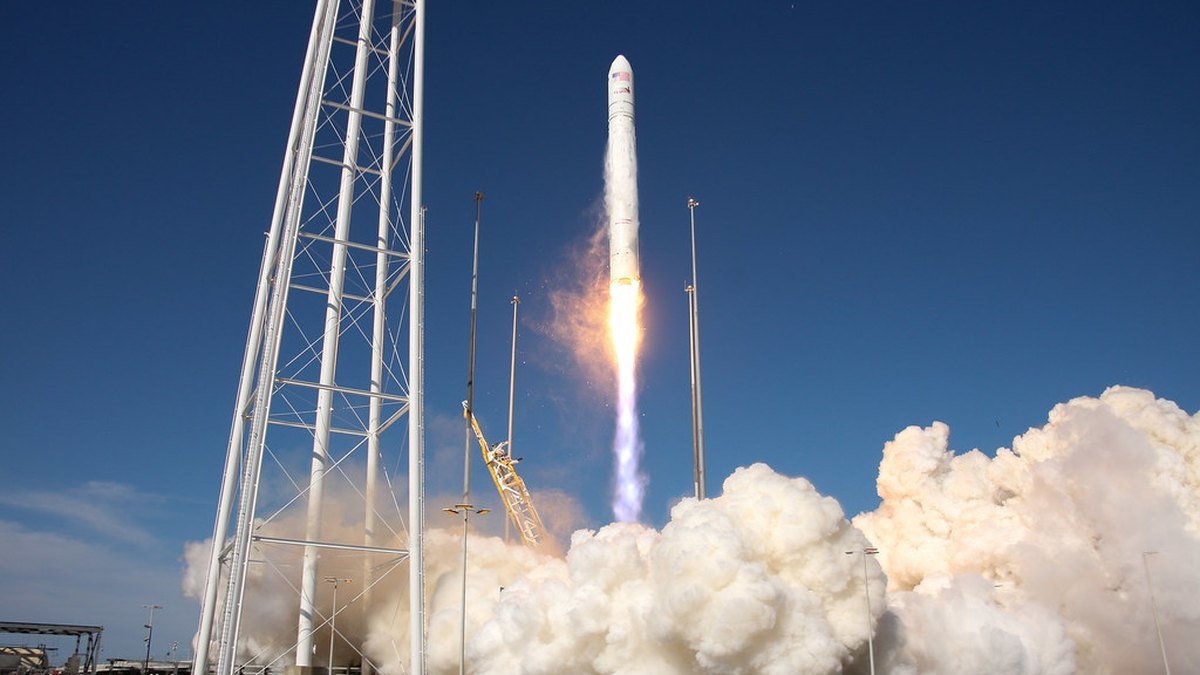
A space programme needs a reliable way to reach orbit, and India has developed its own family of launch vehicles for this purpose. These rockets are designed to carry different kinds of payloads, from smaller satellites to heavier ones, into a range of orbits.
Developing indigenous launchers matters for several reasons.
- It provides independence, so the country does not have to rely on others to launch its satellites.
- It allows launch services to be offered to other customers, including foreign ones.
- It builds a deep base of engineering expertise that supports more ambitious missions.
Over time the programme has worked to launch heavier payloads and to handle multiple satellites on a single flight, improving flexibility and efficiency.
Satellites that serve everyday life
The most far-reaching part of the programme may be the fleet of satellites that quietly support daily activities. These fall into broad categories, each with a practical purpose.
Communications
Communication satellites help carry broadcasting, telephony and data across a large and geographically varied country, reaching areas that ground networks find hard to serve.
Earth observation
Observation satellites photograph and measure the surface, supporting agriculture, forestry, water management, urban planning and disaster response. For a country where farming and monsoon rains matter enormously, this information has real value.
Weather and navigation
Weather satellites aid forecasting and the tracking of storms, while navigation systems provide positioning services. Together they support everything from fishing and farming to transport and emergency planning.
Missions beyond Earth orbit
Alongside these practical satellites, India has undertaken more ambitious missions that travel beyond Earth orbit to explore the Moon and other destinations in the solar system. Such missions test advanced technologies, expand scientific knowledge and demonstrate capability.
They tend to attract the most public attention, and they serve an inspirational purpose too, encouraging interest in science and engineering among students and the wider public. But they rest on the same foundations of launchers, tracking and systems engineering that support the everyday satellites.
The low-cost reputation
India’s programme is often noted for achieving results at comparatively modest cost. This reputation stems from a combination of factors: a focus on frugal engineering, the use of home-grown technology, efficient project management and relatively lower local costs for skilled work.
It is important to treat this qualitatively rather than exaggerate it. The point is not that space is cheap, but that the programme has built a culture of doing more with less, designing missions carefully to extract maximum value from available resources.
A growing private sector
For most of its history the programme was overwhelmingly a public endeavour. More recently, space has been opened up to greater participation by private companies, from start-ups building small satellites and launch vehicles to firms offering services based on satellite data.
This shift mirrors a broader global trend in which private enterprise takes on a larger role in space. For India it holds the promise of faster innovation and new commercial opportunities, while the national agency continues to handle large and strategic missions. It also connects to the country’s wider digital capabilities, including the India Stack of digital public infrastructure that satellite services can complement.
Why it matters
India’s space programme matters on several levels. Practically, its satellites underpin communications, forecasting, navigation and the management of land and water for a very large population. Economically, launch services and a growing private sector offer commercial potential. Strategically, an independent capability to reach and use space carries clear value.
There is also a human dimension. A capable, cost-conscious programme serves as a source of national pride and a spur to education in science and technology. For a country balancing immense development needs with scientific ambition, space has proved to be a field where both goals can advance together.
How to follow it
For readers wanting to keep track, the useful lens is purpose rather than spectacle: ask what a given satellite or mission is for, how it builds on earlier work, and how its benefits reach ordinary people on the ground. Seen that way, the programme is less a series of isolated launches than a steadily expanding set of capabilities.
Frequently asked questions
Who runs India’s space programme?
It is led primarily by the country’s national space agency, supported by research institutions, state-backed enterprises and a growing number of private companies.
Why is India’s space programme called low-cost?
It has built a culture of frugal engineering, relying on home-grown technology and efficient project management to get strong value from modest budgets. The point is efficiency rather than space being cheap.
What do India’s satellites actually do?
They support communications, weather forecasting and storm tracking, navigation, and earth observation for agriculture, water management, urban planning and disaster response.
Does India launch its own rockets?
Yes. It has developed its own family of launch vehicles, which gives it independence, lets it offer launch services to other customers and builds engineering expertise.