
Key takeaways
- Rising electricity demand is a key driver of India’s energy expansion.
- Solar and wind power are central to the renewable push.
- India has strong natural potential for solar energy in particular.
- The transition supports energy security and cleaner air alongside climate goals.
- Challenges include grid upgrades, storage and the variability of renewables.
India’s renewable energy push is one of the most significant energy transitions underway anywhere in the world. Driven by fast-rising demand for electricity and abundant natural resources, the country has placed solar and wind power at the heart of plans to expand and clean up its energy supply.
The scale of the effort reflects a basic reality: a large and growing population with rising living standards needs far more energy, and how that energy is produced carries consequences for cost, security and the environment.
Why India needs more energy
At the centre of India’s renewable push is simple arithmetic: a very large population, a growing economy and rising living standards together drive a steady increase in demand for electricity. More homes want reliable power, more businesses and factories need it, and more appliances and devices draw on it.
Meeting this demand is a major undertaking in itself. The question is not only how to produce more energy, but how to do so affordably, securely and with an eye to the environmental cost. That combination is what makes renewables so central to the plan.
Why solar and wind lead the way
Two sources dominate the renewable effort: solar and wind. Both have become far more competitive over time as technology has improved and costs have fallen, turning them from niche options into mainstream choices for new generation.
Solar power
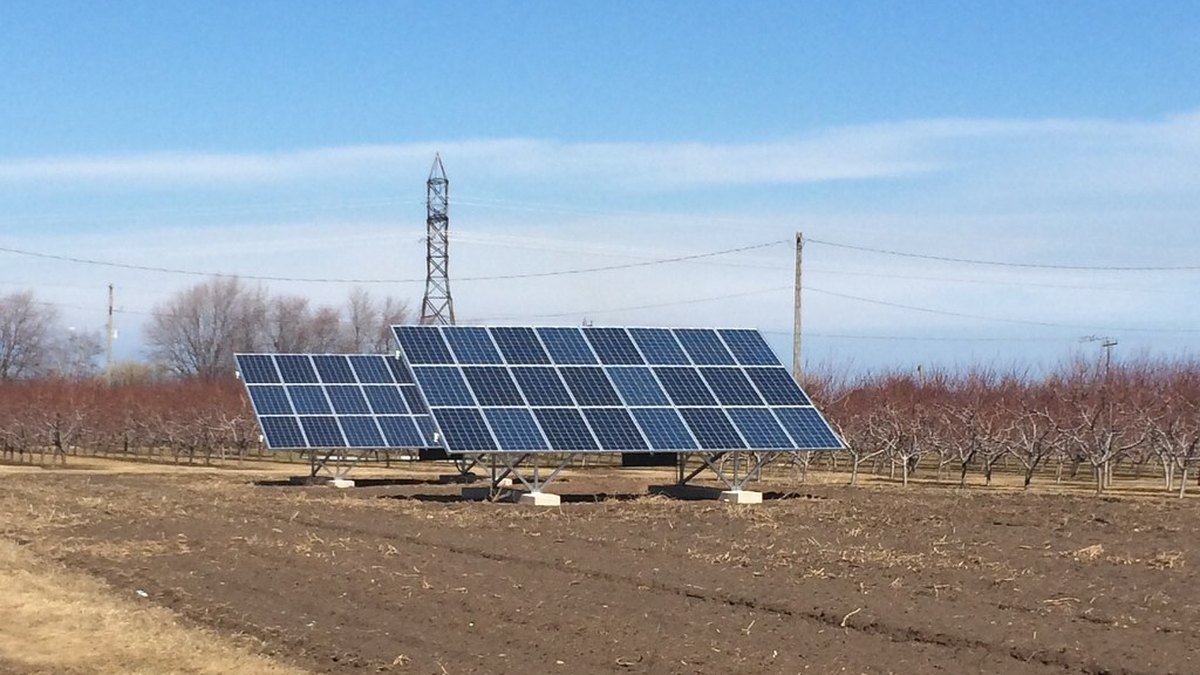
India is well placed for solar energy, with many regions receiving strong sunshine for much of the year. This natural advantage, combined with falling costs for panels, has made large solar installations an attractive way to add capacity. Solar can be deployed at many scales, from vast solar parks to panels on individual rooftops.
Wind power
Wind is the other pillar, particularly in regions with favourable, consistent winds. Wind farms add generating capacity that complements solar, and the two can work together across different times of day and seasons.
More than a climate measure
It would be a mistake to see the renewable push purely through the lens of climate policy, important though that is. Several motivations reinforce one another.
- Energy security: generating more power domestically from sun and wind can reduce reliance on imported fuels.
- Cleaner air: shifting away from the dirtiest fuels can help address air quality, a pressing concern in many cities.
- Cost: as renewable costs have fallen, they have become an economically sensible way to add capacity.
- Climate goals: cleaner generation supports international commitments to reduce emissions.
Because these goals point in the same direction, the renewable push enjoys broad strategic logic beyond environmental concern alone.
The challenge of variability
Renewables bring a particular technical challenge: the sun does not always shine and the wind does not always blow. Unlike conventional plants that can run steadily, solar and wind output varies with the weather and the time of day. This is known as intermittency or variability.
Managing it is one of the central tasks of the transition. If a large share of power comes from variable sources, the system needs ways to keep supply and demand balanced even when generation dips.
Storage and the grid
Two broad solutions feature heavily in discussions. The first is energy storage, which captures surplus power when generation is high and releases it when generation falls. The second is upgrading and expanding the electricity grid, so that power can be moved efficiently from where it is generated to where it is needed, and so that regions can share supply.
Both require substantial investment and careful planning, and they are as important to the transition as building the solar and wind capacity itself.
Integrating a changing mix
As renewables grow, the broader energy system has to adapt around them. This includes making the grid more flexible, improving forecasting of renewable output, and coordinating different sources so the overall supply stays reliable. The aim is a balanced mix in which renewables play a growing role without compromising stability.
This integration is a gradual process. Adding a renewable plant is comparatively quick; weaving many of them into a dependable national system takes sustained effort over years.
Opportunities beyond electricity
The renewable push also opens wider economic opportunities. Building and maintaining solar and wind capacity can support manufacturing, installation and services, and a growing clean-energy sector can create jobs and attract investment. There is also interest in related areas, such as cleaner transport and new industrial uses for clean power, which connect to regional trends like the electric-vehicle and battery boom taking shape across the wider region.
In this sense the transition is not only about swapping one kind of power plant for another; it is about developing a whole ecosystem around clean energy.
Why it matters
India’s renewable energy push matters because of its scale and because of what is at stake. Powering a vast and growing population cleanly and reliably is one of the defining challenges of the era, and the choices made here carry weight well beyond the country’s borders.
For readers following the story, the useful frame is qualitative. Rather than fixating on any single figure, it helps to watch the direction of travel: whether renewable capacity keeps expanding, whether storage and grids keep pace, and whether the system stays reliable as the mix changes. Taken together, these trends tell the real story of a large economy working to meet its energy needs in a cleaner way.
Frequently asked questions
Why is India expanding renewable energy so quickly?
A large, growing population and economy drive steadily rising demand for electricity, and solar and wind have become cost-competitive ways to add clean capacity while improving energy security.
Why are solar and wind the main focus?
Both have fallen sharply in cost and suit India’s natural conditions, with strong sunshine in many regions and favourable winds in others, making them practical mainstream choices.
What is the biggest technical challenge?
Variability. Solar and wind output changes with the weather and time of day, so the system needs energy storage and stronger grids to keep supply and demand balanced.
Is the push only about climate change?
No. It is also driven by energy security, cleaner air and cost, which reinforce the climate rationale and give the transition broad strategic logic.