
Key takeaways
- SMEs are small and medium enterprises, typically defined by employee count, revenue or assets.
- They make up the vast majority of businesses in most Asian economies.
- SMEs are major providers of jobs, especially outside large cities.
- Access to finance and digital tools is often their biggest hurdle.
- Supportive policy and supply-chain links help SMEs reach larger markets.
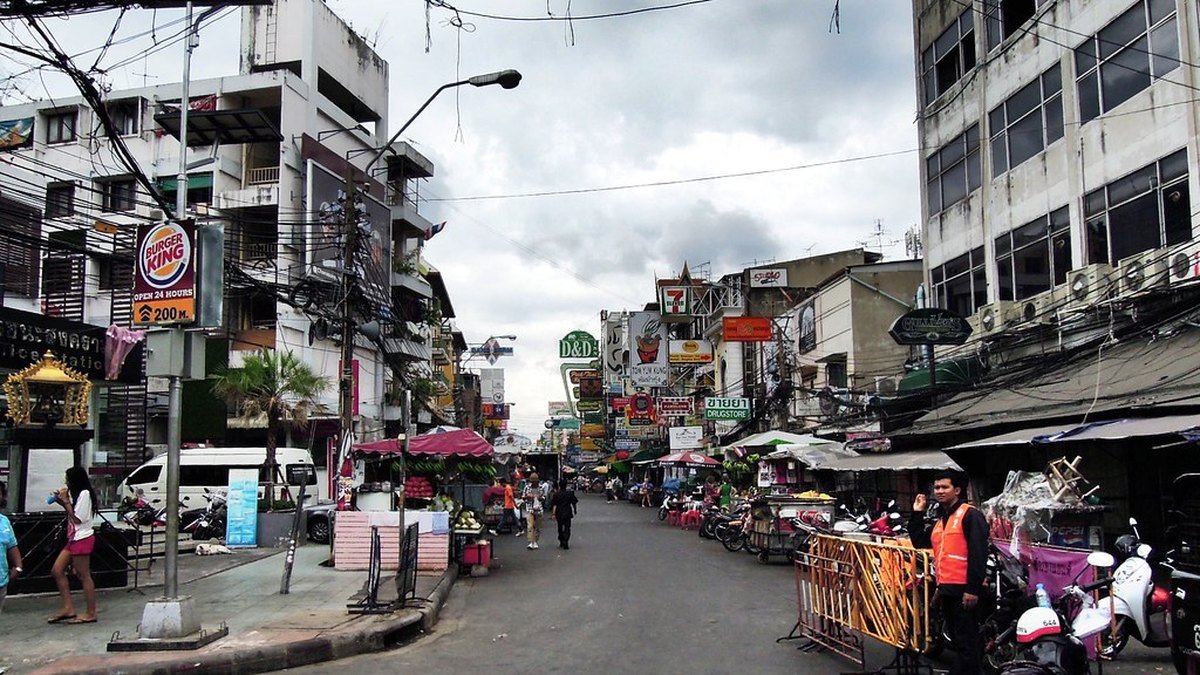
Small and medium enterprises, usually shortened to SMEs, are the quiet engine of Asian economies. The market stalls, family workshops, local manufacturers and neighbourhood service firms that fill the region’s towns and cities together employ a large share of workers and generate a great deal of everyday economic activity.
This explainer looks at what counts as an SME, why they matter so much across Asia, the pressures they face, and the kinds of support that help them grow. The focus is on durable patterns rather than any single company or country.
What counts as an SME
There is no single global definition of a small or medium enterprise. Most countries draw the line using a mix of three measures: the number of employees, annual revenue and the value of assets. A business might be classed as micro, small or medium depending on where it falls against those thresholds, which differ from country to country and sometimes by industry.
What the category captures, broadly, is the enormous middle ground between a one-person hawker stall and a large corporation. It includes family-run shops, independent restaurants, local manufacturers, logistics firms, software studios and countless service providers. Taken together, these businesses dominate the commercial landscape of most Asian economies.
Why SMEs matter so much
SMEs punch far above their individual size because of how many of them there are. Across much of the region they account for the overwhelming majority of registered businesses and a very large share of total employment. Their importance shows up in several ways.
Jobs and livelihoods
Because they are spread across every town and district, SMEs are often the main source of work outside major cities. They tend to hire locally and train people on the job, which makes them central to household incomes and community stability.
Everyday goods and services
Much of daily life runs through small businesses: the food people eat, the repairs they rely on, the shops they visit. This closeness to customers lets SMEs respond quickly to local tastes in a way that larger firms sometimes cannot.
SMEs in supply chains and trade
Smaller firms rarely operate alone. Many are woven into the supply chains of larger companies, making components, providing logistics or supplying services. A single large manufacturer may depend on hundreds of SME suppliers. This linkage means the health of small firms directly affects bigger businesses and the wider economy.
Trade matters too. Although exporting can be harder for a small company, many SMEs sell across borders, either directly or as part of a larger chain. Regional trade arrangements and smoother payment systems make it easier for them to reach customers abroad. Readers interested in how cross-border payments are evolving can see our note on local currency settlement across ASEAN.
The financing gap
The single most common obstacle SMEs describe is access to finance. Banks often see small firms as riskier and harder to assess than large corporations, in part because many lack detailed financial records or collateral. The result is a persistent funding gap that can stop otherwise healthy businesses from investing or expanding.
Several developments are helping to narrow it:
- Digital lending: online platforms that assess creditworthiness from transaction data rather than collateral alone.
- Microfinance: small loans aimed at very small and informal businesses.
- Government guarantees: schemes that share lending risk with banks to encourage credit to small firms.
- Supply-chain finance: funding tied to confirmed orders from larger buyers.
Going digital
Digital tools have reshaped what a small business can do. Mobile payments let a market vendor accept money without a card machine. Online marketplaces give a tiny workshop access to national or even international customers. Social media allows a neighbourhood shop to advertise cheaply. Adoption is uneven, though, and many owners still face barriers such as limited digital skills, patchy connectivity or concern about costs.
Common pressures
Beyond finance and technology, SMEs tend to share a familiar set of challenges:
- Thin cash reserves, which make them vulnerable to sudden shocks.
- Difficulty attracting and keeping skilled staff against larger employers.
- The burden of regulation and paperwork relative to their size.
- Exposure to swings in demand, costs and currencies.
How support helps them grow
Policymakers across the region treat SMEs as a priority precisely because of their role in jobs and growth. Typical support includes simpler registration, training programmes, help with exporting, tax relief and the kinds of financing schemes noted above. Business associations and chambers of commerce also play a part, sharing knowledge and giving small firms a collective voice.
The broad lesson is that SMEs are not a minor footnote to the big corporate names. They are the dense, distributed base on which much of Asian economic life rests, and the conditions that help them operate, from credit to connectivity, ripple out across entire economies.
Frequently asked questions
What does SME stand for?
SME stands for small and medium enterprise. The category usually sits between micro businesses and large corporations, defined by a mix of employee numbers, revenue and assets that varies by country.
Why are SMEs so important in Asia?
They make up the great majority of businesses in most economies and provide a large share of jobs, especially outside big cities. They also supply larger firms and serve everyday consumer needs.
What is the biggest challenge SMEs face?
Access to finance is the most commonly cited hurdle. Smaller firms often lack collateral or detailed records, which makes traditional bank lending harder to obtain.
How is technology helping small businesses?
Mobile payments, online marketplaces and social media let small firms reach customers and handle money more cheaply, though adoption varies with digital skills and connectivity.